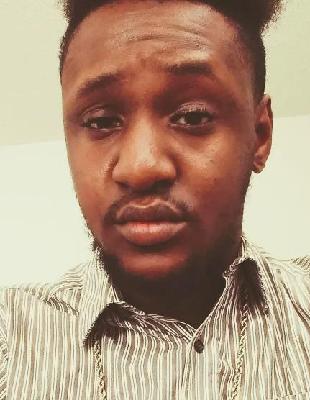
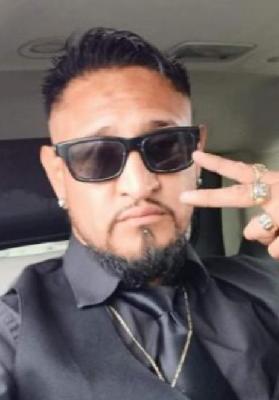
On the night of May 1, 2021, Mariceo “Marz” Negrete, a 20-year-old man from Denver, headed to a crowded house party in the Green Valley Ranch neighborhood, at a single-family home along North Odessa Street. The gathering drew dozens of people into the early morning hours; around 2:30 a.m., Denver police were called to the 4600–4700 block of North Odessa after reports of gunfire and a chaotic scene outside the home.
Officers arrived to find two men shot and unresponsive, and both were pronounced dead at the scene. The city’s medical examiner later confirmed that the victims were Negrete and another young man, Josiah Salas, and that both had been killed by gunshot wounds, their deaths ruled homicides.
What began as a spring house party had, according to investigators and prosecutors, brought together people linked to rival Denver gangs. A grand jury indictment and later reporting described Negrete as associated with a group known as CHI 30, and identified brothers Sergio and Andrew Rodarte as members of a rival gang called Only The Family with tensions between the two groups simmering for months before the party. When the Rodarte brothers learned that Negrete was on the back patio, the indictment says they armed themselves with semi-automatic handguns equipped with lights or lasers, pulled on hoodies, and put on blue hospital gloves—Sergio also adding a surgical mask. They then went out to the patio, where an argument with Negrete escalated into violence; the narrative in the indictment describes the brothers blocking the patio door so no one could easily enter or escape, before Sergio allegedly fired eight shots, striking both Negrete and Salas, including in the back.
In the immediate aftermath, the focus was on making sense of the carnage in a quiet residential stretch of Green Valley Ranch. Police said there had been a large crowd at the house when the shooting erupted, and early coverage noted that investigators were working a double homicide but had no suspects in custody. Crime scene tape shut down part of North Odessa Street while detectives interviewed witnesses who had scattered from the party, and the department publicly appealed for tips, asking anyone with information to contact Metro Denver Crime Stoppers. Within days, authorities released the victims’ names and ages to the public, cementing the reality that two young lives from the community had been cut short in a burst of gunfire at a neighborhood gathering.
Just over a month later, there was a breakthrough. On June 2, 2021, Denver police announced the arrest of 23-year-old Sergio Rodarte in connection with the killings. He was taken into custody and held on two counts of first-degree murder, one for each victim. News outlets reported that the probable cause statement underlying his arrest was sealed, and investigators released few details about what had led them to Rodarte or what exactly had happened in the moments before the shots were fired. Publicly, the case still looked murky: neighbors knew only that a party had ended with multiple gunshots and two bodies, while police insisted that the investigation was active but could say little more.
More than a year after the shooting, the picture sharpened when the Denver District Attorney’s Office brought the case to a grand jury. On October 5, 2022, the grand jury indicted both Sergio and his younger brother, Andrew Rodarte, and on October 18 prosecutors publicly announced formal charges. The DA’s news release and subsequent coverage said the brothers, then 24 and 23, each faced four counts of first-degree murder under different legal theories—after deliberation and extreme indifference—as well as four counts of possession of a weapon by a previous offender, based on earlier felony convictions or adjudications. The indictment and related reporting framed the killings as gang-related, tied to the conflict between OTF and CHI 30, and laid out the detailed account of the party, the gloves and disguises, the confrontation on the patio, and the barrage of shots that killed Negrete and Salas. Court dates were set, including a bond hearing scheduled for December 9, 2022, but prosecutors emphasized that the brothers were only accused and remained presumed innocent unless and until proven guilty. Publicly available news and court summaries focus on those charges and the gang-conflict narrative; they do not clearly document any final verdicts or sentences in the case, leaving the ultimate legal outcome opaque in open sources.
Outside the courtroom, Negrete’s name lives on mostly through memorial pages and brief mentions in stories about Colorado’s rising toll of gun violence. Online tributes remember him alongside Salas as real people, not just entries in a homicide tally, inviting friends and family to light virtual candles and leave messages of love and grief. His death is counted among the many firearm fatalities that marked 2021 in Colorado, a year that advocates and journalists have noted reached grim milestones for gun deaths statewide. For those who knew him, the story is less about gang labels and legal filings than about a young man whose life ended on a patio at a crowded house party, and about a community still waiting for a sense of closure that only a fully resolved case—and perhaps a measure of justice—might bring.