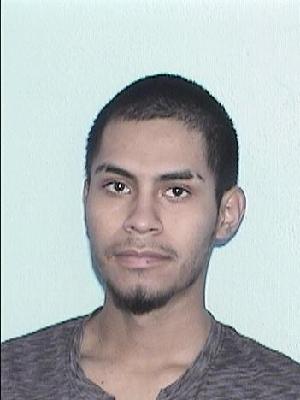
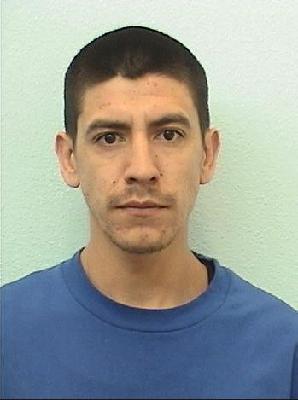
On October 25, 2014, a tragic incident occurred in Santa Fe, New Mexico, resulting in the deaths of 18-year-old Venancio Cisneros and his 13-year-old girlfriend, Anamarie Ojeda. The two were found shot to death on East Ramada Way, prompting a thorough investigation by the Santa Fe County Sheriff's Office.
The investigation led to the identification of a suspect, Ricardo Martinez, who was subsequently linked to the double murder.
Martinez was wanted by authorities for the fatal shooting of the young couple. Following a manhunt, Martinez was eventually located in Colorado, where he was apprehended by law enforcement.
Martinez's arrest and subsequent trial were marked by significant legal developments, particularly regarding the admissibility of eyewitness identification evidence. During the trial, a key piece of evidence was the testimony of a witness who claimed to have seen Martinez walking away from Cisneros' car at the crime scene. This witness had identified Martinez from a photographic array presented by the sheriff's office, despite initially stating that he did not have good eyesight.
The New Mexico Supreme Court played a crucial role in Martinez's case, as it upheld his convictions for two counts of first-degree murder. Martinez was sentenced to two consecutive terms of life in prison. The Supreme Court's decision also introduced a new standard for evaluating the admissibility of eyewitness identification evidence in New Mexico. This new standard, known as the 'per se exclusionary rule,' mandates that eyewitness identifications resulting from 'unnecessarily suggestive' police procedures must be suppressed. The court emphasized that this rule is designed to protect against the risks of misidentification, which have been identified as a leading cause of wrongful convictions.
The Supreme Court's ruling in Martinez's case marked a significant departure from the federal standard established in the 1977 case of Manson v. Brathwaite. The New Mexico court held that the federal standard did not provide sufficient due process protection under the New Mexico Constitution's Bill of Rights. The new standard requires that if a witness's identification is the result of a suggestive police procedure, both the initial and any subsequent identifications by the same witness must be excluded from evidence.
Martinez's appeal argued that the district court should have excluded the eyewitness testimony due to its potentially suggestive nature. However, the Supreme Court concluded that the eyewitness testimony was properly admitted under both the new state standard and the replaced federal rule. This decision reinforced Martinez's convictions and ensured that he would serve his life sentences for the murders of Venancio Cisneros and Anamarie Ojeda.