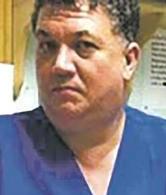
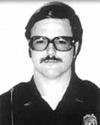
On July 30, 2018, Robert J. Romero, a 52-year-old husband and father, was fatally shot in his backyard in Santa Fe, New Mexico. The incident occurred around 2 a.m. and was initially investigated as an apparent attempted burglary. Romero was confronted by the perpetrator in his backyard, leading to the fatal shooting.
The investigation into Romero's murder was significantly advanced through the use of genetic genealogy, a technology that involves comparing DNA collected at the crime scene
to voluntary genetic databases. This method, employed by the Santa Fe Police Department, marked the first time such technology was used to solve a homicide in New Mexico and the 111th nationwide.
The breakthrough in the case came when DNA collected from the crime scene was matched to a voluntary genetic database. This led investigators to narrow down the possible suspects to three related individuals in Santa Fe. Among these was Joseph Jones, a 26-year-old resident of Santa Fe. Jones was not previously on the police's radar as a suspect, although he had a history of property crimes, including stealing firearms.
Following the genetic genealogy lead, the Santa Fe Police Department used traditional policing methods, including executing three search warrants, to identify and apprehend Jones. He was arrested on May 14 and charged with murder, tampering with evidence, attempt to commit a felony, aggravated burglary, and residential burglary. Despite the arrest, the motive behind the crime and some other aspects of the incident remained unclear to investigators at the time.
Jones's arrest was the culmination of a process that began earlier in the year, with the DNA analysis costing the department $7,405 and taking about two months to yield initial results. The police compared the crime scene DNA to a database provided by Gene by Gene, a commercial genetic testing company based in Houston, Texas, and then used Parabon NanoLabs, Inc.'s Snapshot DNA Analysis service to narrow down the possible matches.
The case highlighted the effectiveness of genetic genealogy in solving crimes, despite raising serious privacy concerns regarding the use of personal DNA data from ancestry databases by law enforcement. The Santa Fe Police Department expressed plans to use this technology in other unsolved cases, including sexual assaults.
In summary, Robert J. Romero's death was a tragic event that was eventually solved through innovative DNA technology. Joseph Jones, identified and arrested through this method, faces multiple charges related to the murder, although the full details of the crime's motive and other aspects are still under investigation.