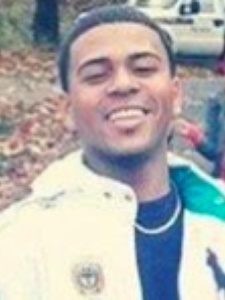
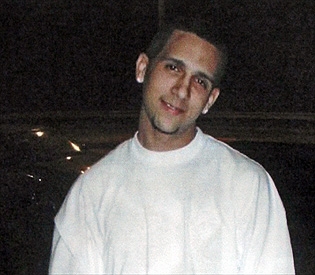
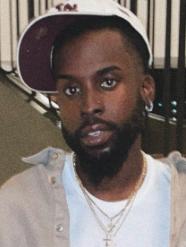
On July 25, 2006, 20-year-old Vernon Cobb was fatally shot in Boston, Massachusetts. His death was part of a troubling pattern of violence affecting young Black men in the city during that period. The Unitarian Universalist Urban Ministry based at the First Church in Roxbury, noted that Cobb was among several young men connected to their community who had been killed in gang-related incidents between 2005 and 2006.
The UUUM had been actively working to counter the rising tide of violence in Boston's inner city. They provided after-school and weekend programs aimed at offering safe spaces and positive activities for youth. Despite these efforts, the community was deeply affected by the loss of individuals like Cobb. Michelle Walsh, a leader in the Urban Ministry's weekend program, described the situation as 'a kind of genocide among our black youth in Boston,' highlighting the profound impact on families and the broader community.
In the aftermath of these tragedies, the Roxbury church offered its sanctuary for funerals, providing support to grieving families. The UUUM staff and participants, many of whom knew the victims personally, attended numerous funerals, contributing to a collective sense of mourning and urgency to address the underlying issues contributing to the violence. The organization emphasized the need for more structured support and positive guidance for young people to help them envision a hopeful future and deter them from engaging in violent activities.
Specific details regarding arrests or suspects in the case of Vernon Cobb's death are not readily available in the provided sources. The broader context indicates that many such cases during that time remained unresolved, contributing to the community's frustration and sense of insecurity. The UUUM and other community organizations continued to advocate for increased attention to these issues, seeking to implement programs and initiatives aimed at preventing further loss of life among Boston's youth.