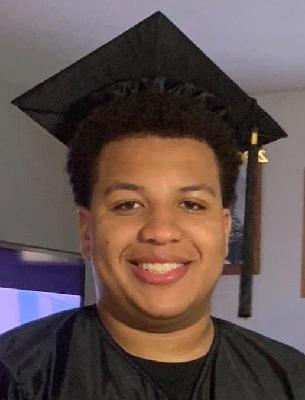
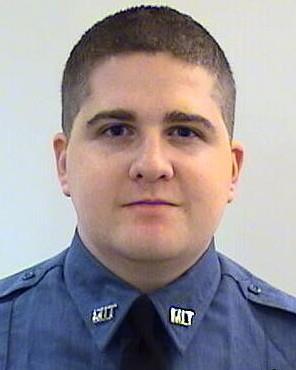
On May 18, 2009, Justin Cosby, a 21-year-old resident of Cambridge, Massachusetts, was fatally shot in the basement of Kirkland House J entry at Harvard University. Cosby, a 2005 graduate of Cambridge Rindge and Latin School, had no known ties to Harvard University.
The investigation into Cosby's death revealed that the shooting was linked to a planned robbery involving marijuana.
According to the Middlesex district attorney, Cosby was involved in selling marijuana, and the suspects had intended to rob him. The incident occurred inside a locked, gated undergraduate residence, highlighting concerns about the security and drug use within the Harvard community.
Three suspects were identified and apprehended in connection with the murder. Jabrai J. Copney, a 20-year-old from New York City, was the first to be taken into custody. He turned himself in to Cambridge police on May 21, 2009, and was subsequently charged with murder on May 22. Copney was arraigned on July 22 on five charges related to the crime.
A second suspect, Blayn Jiggets, aged 19, was arrested in New York on June 9, 2009. He remained in New York awaiting extradition proceedings and was later indicted on July 30 for murder. The third suspect, Jason Aquino, 23, also from Manhattan, was arrested on July 30, 2009, and was scheduled to be arraigned the following day.
The suspects' connections to Harvard students were also a focus of the investigation. Text messages linked Copney to drug sales on campus, and two Harvard undergraduates, Brittany Smith of Lowell House and Chanequa Campbell of Kirkland House, were implicated as friends of the suspects. Both students were denied permission to graduate and were ordered off campus due to their involvement in the case.
In the aftermath of the shooting, Harvard University officials addressed the issue of drug use and security on campus. College dean Evelynn M. Hammonds emphasized the need to reinforce safety and security practices and to educate students about the risks associated with illicit drug use. The incident highlighted an urgent need for the university to review its policies on the use of IDs and gated entries to prevent similar incidents in the future.
The legal proceedings for the suspects continued over the following years. Jason Aquino was eventually sentenced to 18 to 20 years in prison for his role in the murder, based on the felony murder theory related to the planned robbery at gunpoint. The case underscored the serious consequences of drug-related violence and the importance of addressing these issues within the community.