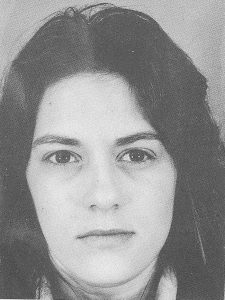
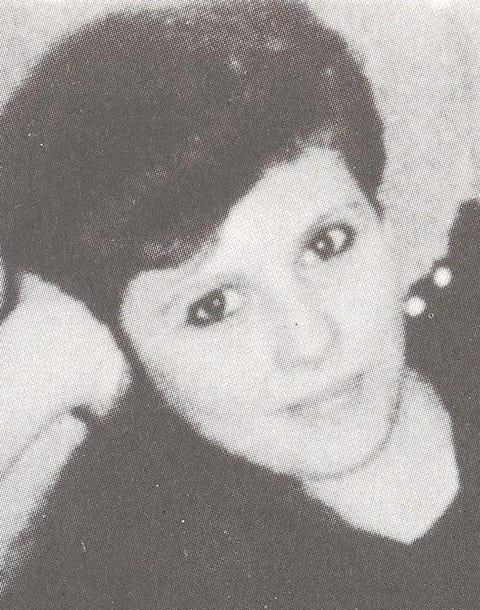
In the late hours of a summer evening in New Bedford, Massachusetts, the life of 36-year-old Nettie Becht was tragically cut short. On August 14, 2009, she and a friend, 40-year-old Luiz Diaz, were fatally shot at the Westlawn Housing Development. The man responsible for their deaths was 60-year-old Elvin Valentin, with whom Becht had been in a relationship that had recently ended.
The relationship between Becht and Valentin was a point of contention.
Her family and friends described Valentin as being obsessed with the single mother of three, claiming he was stalking her and that the relationship was largely in his mind. Conversely, Valentin's family maintained that the two were a couple and that Becht had been "playing" him, flaunting a new relationship with Diaz, whom she had met online. The day before the fatal encounter, Becht had been in the hospital, and when Valentin tried to visit, she refused to see him, having already ended their four-year relationship.
On the day of the shootings, after her release from the hospital, Becht informed Valentin that she was in a new relationship and was "done" with him. That evening, as Valentin sat in his kitchen, he saw Becht and Diaz walking toward her apartment. Armed with a nine-millimeter semiautomatic pistol, he confronted the pair. Valentin fired ten shots, striking both Becht and Diaz in their torsos. They were rushed to a local hospital but were pronounced dead.
Immediately following the shooting, Valentin confessed to the murders in a phone call to his son. A police officer who had arrived at the chaotic scene spotted Valentin walking away while on his phone. When the officer ordered him to stop, Valentin immediately admitted that he was the shooter. He was arrested and taken into custody, where he made further admissions, stating that he had consumed half a bottle of whiskey in the hours leading up to the incident. Valentin was charged with two counts of first-degree murder. In 2012, he was found guilty and sentenced to life in prison without the possibility of parole. His conviction was upheld by the Massachusetts Supreme Judicial Court in 2016.