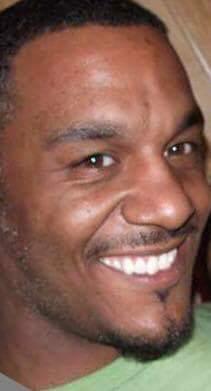
On a spring evening in Dorchester, a dispute between neighbors over something as ordinary as a barbecue grill took a tragic and fatal turn. The male victim, a 44-year-old Black man named Carl Brown, was killed on May 21, 2019. The incident unfolded when Brown approached his neighbor, Shakeem McNeil, who was grilling outside their shared duplex on Millet Street.
Brown expressed concern that the smoke from the grill might affect another resident who had asthma and also wanted to ensure hot coals were not dropped on the ground. This seemingly simple request escalated into a heated argument between the two men.
The verbal altercation quickly turned deadly when McNeil produced a firearm. In front of Brown's own loved ones, McNeil shot the father of two multiple times. Following the shooting, chaos ensued as McNeil immediately got into a black SUV and fled the scene; his wife was seen leaving in a separate vehicle. Emergency services were called, and Brown was rushed to Boston Medical Center, but his injuries were too severe, and he was pronounced dead. The community was left in shock by the sudden violence that had claimed a man's life over a trivial disagreement.
Boston Police detectives began an immediate investigation to locate the suspect. Their search for Shakeem McNeil, a 31-year-old from Dorchester, ended hours later when they tracked him down to a motel in the nearby city of Brockton, where he was arrested without incident. McNeil was initially charged with first-degree murder for the shooting death of Carl Brown, beginning a legal process that would span several years.
McNeil's first trial for murder ultimately ended in a mistrial. Rather than face a second trial, he chose to plead guilty to the lesser charges of manslaughter and unlawful possession of a firearm. On July 27, 2022, a judge sentenced him to a term of 19 to 20 years in state prison for the manslaughter charge. He received a consecutive sentence of four to five years for the firearm offense and an additional eight to ten years for violating his probation from a previous case. During the sentencing hearing, family members had the opportunity to deliver powerful victim impact statements, sharing their profound grief and the immeasurable loss of a man they described as a decent and humane person who was killed while trying to protect a neighbor's health.