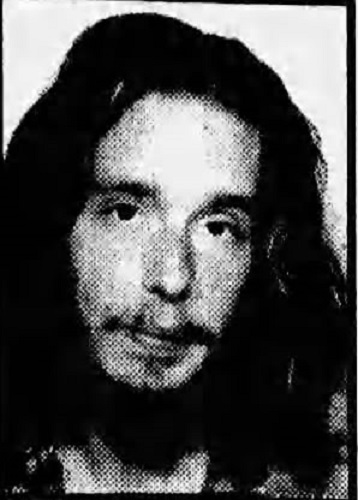
In the fall of 1991, a 27-year-old man named Anthony Shawn "Tony" Nelson was looking for an opportunity. It was in Portland, Oregon, that he and another homeless man, Randy Scott Henry, crossed paths with a man named Douglas Franklin Wright. Wright offered them a lifeline, or so it seemed, with the promise of work clearing brush at a youth camp for ten dollars an hour.
On October 20, 1991, Nelson and Henry accepted the offer and climbed into Wright's vehicle, leaving the city behind.
As they drove into a remote area on the Warm Springs Indian Reservation in Wasco County, the landscape grew more desolate. Wright, in a seemingly friendly gesture, bought them food and offered them alcohol. The brief sense of respite was shattered when Wright suddenly produced a pistol and fatally shot Nelson in the head. In the ensuing chaos, Henry managed to escape the car as Wright fired at him, and he ultimately led police to the man who had just taken his friend's life.
The investigation into Nelson's death quickly unraveled a series of similar crimes. Authorities discovered that Wright had used the same method to lure and murder at least three other homeless men: Anthony Barker, William Marks, and William Davis. These men had also been enticed with the promise of work, only to be taken to a remote location and shot.
Douglas Franklin Wright was apprehended and eventually convicted for the murders of Barker, Marks, and Davis, for which he received a death sentence. However, the legal proceedings for Anthony Nelson's murder were more complex. Because Nelson was a member of the Makah Indian Tribe and the crime occurred on a reservation, his case fell under federal jurisdiction according to the Major Crimes Act. While Wright was indicted by a federal grand jury for Nelson's murder, he was never formally tried or convicted for this specific crime due to his existing death sentence for the other killings.