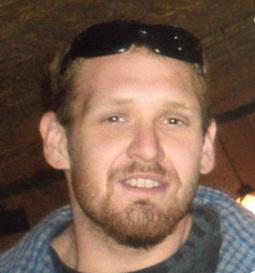
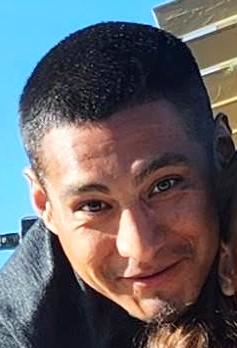
Benito Devila Sanchez, a 49-year-old Hispanic/Latino male, vanished from his home in the Oregon Pines subdivision north of Beatty, Oregon, on January 24, 2018. That morning his roommate reported him missing, and deputies who entered the residence found signs that a violent confrontation had unfolded inside. Before day’s end, investigators with the Klamath County Major Crime Team concluded the assault had occurred at Sanchez’s home and that he had been removed from the scene.
Not long after, his body was discovered in a remote, wooded area a few miles away, deepening the sense that what began as a neighborhood dispute had spiraled into a fatal encounter hidden in the timbered country east of the Sprague River.
Detectives quickly focused on a neighbor and acquaintance, Richard Bryon Johnson. By the afternoon of January 25, 2018, the Klamath County District Attorney announced Johnson’s arrest on a slate of charges that included murder, first-degree burglary, tampering with evidence, and unlawful use of a weapon. Authorities said their investigation indicated Johnson shot Sanchez at the residence and then removed the body and other evidence before law enforcement arrived. The early portrait was stark: a quarrel between men who knew each other, a gun fired inside a rural home, and a hurried effort to spirit the aftermath into the woods.
The case moved through the courts over the next year. In 2019, Johnson pleaded guilty in Klamath County to criminally negligent homicide and first-degree burglary in connection with Sanchez’s death. The negotiated plea reduced the original murder charge but still acknowledged a killing born of criminal negligence and an unlawful entry tied to the crime. A judge sentenced Johnson to a term of more than six years in state prison, closing the courtroom chapter even as the loss continued to echo across a small community where neighbors tend to be both witnesses and participants in one another’s lives.
Sanchez’s killing, at once intimate and isolating, remains defined by the geography that shaped it: a scattered subdivision carved into pine and sage, a place where arguments can simmer beyond view and where the nearest witnesses are often the trees. Evidence at his home told the story’s beginning; the woods, where searchers found him, held the final scene. The official record—missing-person call, violent evidence inside the house, arrest of a neighbor, recovery of the body, and a guilty plea—traces a grim line through a winter day in Klamath County when the landscape kept its secrets just long enough for one life to be taken and another to be bound to a prison term.