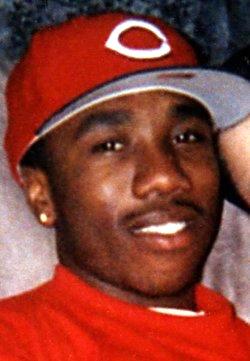
Owen C. Ross, a 25-year-old male police officer with the Huntington Police Department, was killed in the line of duty in Huntington, West Virginia, on August 4, 1901. Ross was serving as the driver of the department’s patrol wagon and was transporting a prisoner to jail following a local offense when he was confronted by a prominent local political figure who had also obtained a commission as a Deputy United States Marshal. The confrontation was not an attempt to make another arrest.
Instead, the deputy marshal demanded that Ross turn the prisoner loose, placing Ross in the position of either abandoning the prisoner in his custody or refusing the demand of an influential law-enforcement official. Ross refused to release the prisoner.
The refusal led to a heated argument between Ross and the deputy marshal. During the confrontation, Ross drew his weapon, but the dispute did not immediately end in gunfire. The deputy marshal left the scene and went to obtain a revolver. He then returned armed, approached Ross again, and shot him several times in the back. The wounds were fatal. Ross’s death was therefore the result of a confrontation that had begun over his determination to keep custody of a prisoner he had been assigned to take to jail and escalated after the other official deliberately left, armed himself, and came back.
The surviving online memorial account does not identify the deputy marshal by name, but describes the shooter as wealthy, politically influential, and well connected in the Huntington area. It also states that he held a federal deputy marshal commission at the time of the killing. The available account does not provide a separate arrest date or booking record. It does, however, establish that the shooter was formally charged with Ross’s murder and that criminal proceedings followed. Rather than ending with a single trial and verdict, the prosecution stretched through four trials.
According to the memorial account, the accused used his political connections during the succession of trials and convictions. Despite the circumstances described in Ross’s killing—the deputy marshal leaving the original dispute, obtaining a revolver, returning, and shooting Ross repeatedly in the back—the case ultimately did not result in a murder conviction. After being tried four times, the defendant was eventually convicted only of involuntary manslaughter. The punishment was extraordinarily slight: one day in jail and a fine of $1. Thus, although Ross’s killer was prosecuted and convicted in connection with the death, the final judgment carried virtually no period of incarceration.
The deputy marshal’s legal troubles continued after the Ross case. The following year, he was convicted in a separate matter involving the operation of more than 500 illegal slot machines throughout West Virginia. That later conviction reinforces the online memorial’s description of Ross’s killer as a politically connected figure with substantial operations extending beyond the immediate circumstances of the shooting. The accessible online account provides no additional named suspects and describes the fatal shooting as the act of this single deputy marshal. Ross’s death remains recorded as a line-of-duty gunfire death arising from prisoner custody and retaliation after he refused to surrender the prisoner entrusted to him.