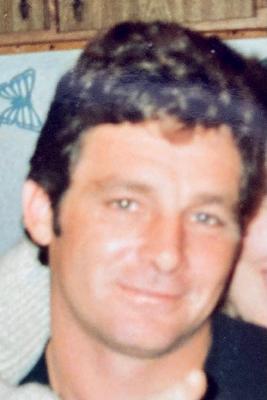
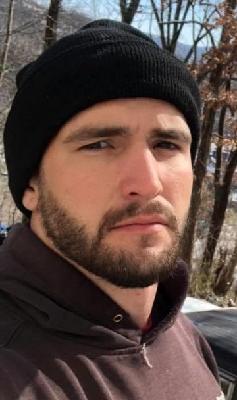
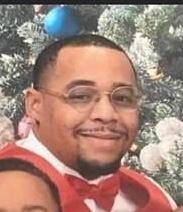
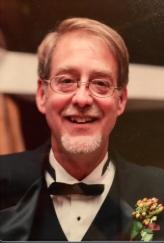
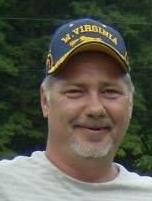
Richard Gene Laney, a 57-year-old White/Caucasian man from Crum, West Virginia, was fatally shot at his home on River Bend Road in the early hours of March 29, 2014. Contemporary reporting placed the shooting shortly before 1 a.m. Laney was standing in the doorway of his residence when gunfire struck him in the chest and stomach. His wife, Maria Williams Hatfield Laney, was asleep inside the house when the shooting occurred. Laney, who had been born in Columbus, Ohio, and worked as a truck driver, died at the residence.
Investigators quickly focused on Laney's neighbor, Brien Scott Bays of Crum. Authorities said witnesses had seen Bays earlier in the evening drinking moonshine and waving a firearm around. According to the allegations, Bays approached Laney's residence and shot him while Laney was in the doorway. Bays then allegedly left the area on an all-terrain vehicle. He was located and arrested later that day and charged with murder in connection with the killing.
The Wayne County Sheriff's Department led the investigation with assistance from West Virginia State Police and the U.S. Marshals Service.
The case eventually went before a Wayne County jury in April 2015, where the prosecution and defense presented sharply different accounts of what had happened. Prosecutor Tom Plymale portrayed Bays as intoxicated, angry and agitated before the shooting. Prosecutors presented evidence that Bays had threatened another man earlier, pointing a firearm at the man's head, firing the weapon and making the man run up the road before firing again. The state argued that this behavior showed Bays was already in an aggressive state of mind before his encounter with Laney.
Prosecutors also emphasized what witnesses said Bays did immediately after Laney was shot. During closing arguments, Plymale told jurors that Bays' initial reaction was to repeatedly declare, "I got him," portraying that statement as evidence that the shooting was intentional rather than defensive. Prosecutors maintained that Bays initially fled and did not immediately claim that he had acted in self-defense.
Bays' attorneys offered a very different version of the confrontation. The defense maintained that Laney had a gun and had fired at Bays first, forcing Bays to respond in self-defense. Defense attorneys pointed to the location and trajectory of Laney's wounds and argued that the autopsy evidence was consistent with Laney standing in a position from which he could have been aiming a firearm. They also challenged the state's investigation, arguing that evidence had not been properly preserved and questioning the consistency and credibility of prosecution witnesses. Bays therefore denied that the killing was an unlawful murder, contending that he had fired because he believed he was defending himself.
The jury was instructed that several possible outcomes were available depending on how it interpreted the evidence, including first-degree murder, second-degree murder, voluntary manslaughter or involuntary manslaughter. After approximately seven hours of deliberations on April 30, 2015, the jurors were unable to reach a unanimous verdict. The deadlock resulted in a mistrial. Laney's widow expressed devastation at the outcome, having expected a guilty verdict after sitting through the proceedings and reliving the circumstances of her husband's death.
Because the jury had not acquitted Bays, the murder charge remained unresolved and prosecutors were permitted to try him again. Court officials indicated that the case would be restarted with a new jury, with another hearing expected to be scheduled in July 2015. The last clearly documented court development in the publicly accessible reporting located for the case is that mistrial and the stated intention to retry Bays; those reports do not establish a subsequent conviction, acquittal, guilty plea or other final disposition.