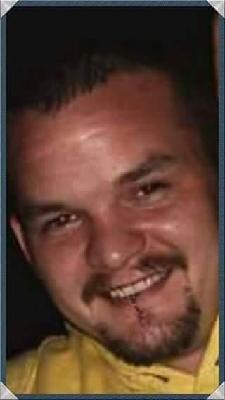
Jody Taylor, 43, was a White/Caucasian man living in the Morgantown, West Virginia area when he became one of four people killed during a series of targeted shootings on December 1, 2014. Taylor was the first cousin of the gunman, Jody Lee Hunt, and the two had also been associated through J&J Towing in Westover. Taylor’s mother, Cassandra Taylor, said her son had recently left the towing business.
Police ultimately described the violence that morning as a deliberate rampage driven by a mixture of personal relationships, jealousy and business disputes rather than random attacks.
By the time the violence reached Taylor’s home off Sweet Pea Lane near Morgantown, Hunt had already been connected to shootings elsewhere in Monongalia County. Doug Brady, the owner of a competing towing company, was killed at Doug’s Towing in Westover, while Sharon Kay Berkshire, Hunt’s former girlfriend, and Michael David Frum were killed at a residence in the Cheat Lake area. Authorities said Taylor was Hunt’s cousin and business associate, and investigators also reported that Taylor may previously have been romantically involved with Berkshire. Hunt had been deeply upset about the end of his relationship with Berkshire and later left messages blaming relationship problems and people he believed had hurt or betrayed him.
Taylor’s mother said her son received a telephone call that morning warning him about the shooting at Brady’s towing business. Not long afterward, she heard gunfire outside the residence. She recalled hearing several shots before she could reach the door and calling out to her son. When she looked outside, she said she saw Hunt standing over Taylor and watched as the shooting continued before Hunt drove away in his pickup truck. Taylor’s nephew similarly told reporters that Hunt drove up, confronted Taylor outside the house and fired at close range, continuing to shoot after Taylor had fallen. A later federal court decision arising from insurance litigation stated that Hunt drove to Taylor’s residence and shot him in connection with the December 1 attacks.
At approximately 9:58 that morning, Monongalia County deputies responded to the report of shots fired on Sweet Pea Lane. Taylor was still alive when authorities arrived and was transported to Ruby Memorial Hospital, but he died from the gunshot injuries. His killing became part of an increasingly urgent manhunt for Hunt, who was believed to be driving a black Ford F-150 and was considered armed and dangerous. Schools in the area were placed on lockdown as officers from multiple agencies searched Monongalia County, although authorities emphasized that the victims had been specifically targeted and that the schools were not believed to be threatened.
As the search continued, investigators pieced together Hunt’s relationships with the victims. Taylor’s mother said there had been a grudge between her son and Hunt. Police said Hunt’s resentment also involved Berkshire and the men he believed had been involved with her, while his conflict with Brady centered on the towing business. Hunt posted a lengthy message on Facebook expressing anger and emotional pain and acknowledging that his actions were wrong while saying he believed people who had hurt him should experience hurt themselves. Authorities later concluded that Taylor was the final victim in the shooting spree.
The manhunt ended that evening without an arrest. Hunt telephoned 911 and acknowledged responsibility for what had happened, telling the dispatcher in substance that the killings could not be justified and indicating that he intended to take his own life. About an hour and a half after that call, police located Hunt inside his pickup truck in the southern part of Monongalia County near Everettville. He had suffered a self-inflicted gunshot wound and was dead. Because the identified gunman died before he could be taken into custody, there was no murder prosecution, criminal trial or conviction for Taylor’s killing or the other three deaths.
Investigators also learned that Hunt had a prior violent criminal history that legally prohibited him from possessing a firearm. Records showed that he had received prison time following a 1999 incident involving the kidnapping and armed detention of a former girlfriend. Monongalia County Sheriff Al Kisner subsequently said investigators were examining how Hunt obtained the firearm used during the 2014 rampage. The criminal case ended with Hunt’s death, although Taylor’s estate later pursued a wrongful-death claim arising from the shooting. Federal court records from subsequent insurance litigation explicitly identified Cassandra Taylor as the personal representative of Taylor’s estate and stated that Hunt had shot and killed Taylor on December 1, 2014.
Taylor was remembered by relatives as someone who had worked a variety of jobs, including coal mining, tow-truck driving, carpet installation and drywall work, and who enjoyed hunting and making deer jerky. His funeral was held several days after the killings at Riverside Apostolic Church in Morgantown. During the service, family members remembered him through personal remarks and some of his favorite music. His brother, David Taylor Jr., spoke of the profound loss of being deprived of a brother, leaving Taylor’s family to mourn a death that had begun as a family and business conflict but ended as part of one of the Morgantown area’s most devastating episodes of violence in 2014.