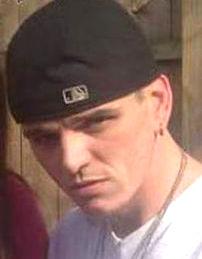
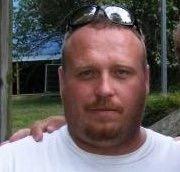
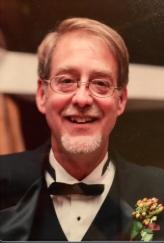
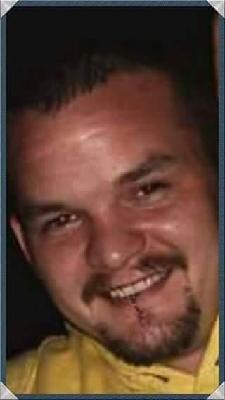
Doug Brady, a 45-year-old White man, was killed on the morning of December 1, 2014, at Doug’s Towing on Dunkard Avenue in Westover, in the Morgantown, West Virginia, area. Brady owned and operated the towing company and was working inside the garage when another local towing operator, Jody Lee Hunt, entered the business. Surveillance footage from the shop captured Hunt entering apparently unnoticed, approaching Brady, shooting him twice in the head, and then leaving the building.
Employees initially discovered Brady and summoned emergency help, and investigators soon learned from the security recording that the shooting had been an intentional attack rather than a robbery or an unexplained workplace killing.
Investigators determined that Brady was the first victim in what became a four-person shooting rampage across Monongalia County. Hunt operated J&J Towing and Repair, a competing towing business located only a short distance from Doug’s Towing. Authorities said Hunt had developed a professional grievance against Brady and other towing operators, complaining that competitors were improperly obtaining towing work. Monongalia County Commissioner Tom Bloom said Hunt had appeared at county commission meetings and voiced complaints about the distribution of towing jobs. Brady’s wife, Cathy, also said Hunt had offered to purchase the Brady family’s towing business several years earlier and that she and her husband had rejected the offer. She described Hunt as having been jealous of her husband, although she said she had never imagined the resentment would lead to murder.
After leaving Doug’s Towing, authorities said Hunt drove across the Morgantown area to a residence near Cheat Lake. There he killed his former girlfriend, Sharon Kay Berkshire, and Michael David Frum, with whom Berkshire had been involved. Frum was found shot inside the residence, while Berkshire was found outside after being shot, leading investigators to believe she may have been trying to escape. Hunt then traveled to another residence and fatally shot his cousin and former towing-business associate, Jody Taylor. Police concluded that the victims had been specifically targeted and that the killings were connected to a combination of Hunt’s business grievances and personal relationship conflicts.
The shootings triggered an extensive manhunt on December 1. Police warned residents that Hunt was armed and dangerous and searched for his black Ford F-150 while several schools were placed on precautionary lockdown. During the search, Hunt made lengthy Facebook posts discussing his grievances and his belief that people who had hurt him deserved to experience similar pain. Authorities treated those statements, together with the relationships between Hunt and the victims and the evidence from the individual crime scenes, as indications that the attacks had been deliberate rather than random.
Hunt had a significant criminal history and was legally prohibited from possessing a firearm. Records showed that he had previously been convicted of kidnapping or abduction involving a firearm in Virginia and later of wanton endangerment with a firearm in West Virginia, resulting in prison sentences. Investigators later traced the handgun used in the December 2014 killings to a private West Virginia seller. Federal authorities determined that Hunt had obtained the gun through a transaction arranged on Facebook roughly a year before the shootings. Because the transaction was a private in-state sale and investigators found no basis for prosecuting the seller, the person who sold Hunt the firearm was not charged.
The search for Hunt ended that evening when authorities located his truck in a wooded area in southern Monongalia County, near the Evertville area. Hunt was found inside suffering from an apparently self-inflicted gunshot wound and was declared dead. His death meant that there would be no arrest, criminal trial, plea, or murder conviction for Brady’s killing or the other three homicides. Police nevertheless publicly identified Hunt as the gunman, and subsequent accounts by law enforcement described him as responsible for all four murders before taking his own life. Later federal court proceedings involving insurance coverage also recounted surveillance evidence showing Hunt entering Brady’s business, shooting Brady in the head, and leaving.
Brady’s death left a wife and two children grieving while the Westover community struggled with the sudden violence. His obituary described him as devoted to his family and someone who especially enjoyed taking family vacations, including trips to Disney World. Funeral services were held several days after the shooting. What began that morning as Brady going about his work at the towing company he had built became the opening act of one of the Morgantown area’s most shocking episodes of violence, with the evidence ultimately pointing to a business rival whose longstanding resentment culminated in Brady’s murder and three additional killings before the gunman killed himself.