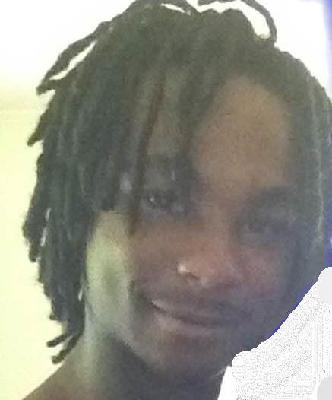
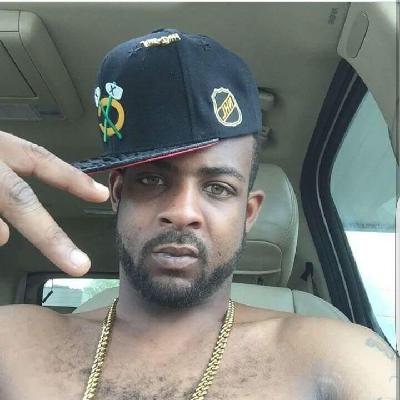
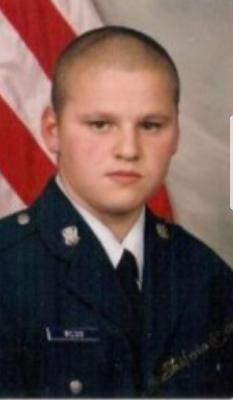
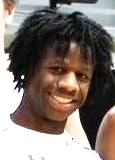
Shaquille Raheem Clark, a 21-year-old Black/African American man, was killed by gunfire in Beckley, West Virginia, on March 22, 2015. Clark had been born in Beckley on January 9, 1994, although his obituary listed him as living in Covington, Georgia, at the time of his death. He maintained strong connections to the Beckley area, where his death and the investigation that followed were centered. Before his death, Clark had worked in construction and at McDonald’s.
His obituary remembered a large extended family and noted that he left behind a son, Jaycean Clark, as well as another child who had not yet been born. His funeral was held at Heart of God Ministries in Beckley, and he was buried at Blue Ridge Memorial Gardens in Prosperity.
The shooting quickly became a homicide investigation, but an arrest did not come immediately. As detectives continued working the case through 2015, their investigation eventually focused on Tevante “Bootsie” Hoskins of Beckley. Police arrested Hoskins in November 2015, approximately eight months after Clark was killed. By then, authorities believed they had developed enough evidence to pursue a murder prosecution in connection with the fatal shooting.
In January 2016, a Raleigh County grand jury formally indicted Hoskins on a charge of first-degree murder in connection with Clark’s death. The indictment went considerably beyond the murder count. Hoskins was also charged with one count of using a firearm, one count of felony conspiracy, and five counts of wanton endangerment. The conspiracy charge indicates prosecutors alleged that the circumstances involved criminal cooperation with at least one other person, although the publicly available reporting located on the case does not identify another individual who was separately charged with Clark’s murder. Hoskins is the suspect consistently named in published reporting as having been arrested and prosecuted in connection with the killing.
The first-degree-murder charge did not ultimately remain the only significant conviction associated with Hoskins. Later news reports concerning his criminal history state that he was convicted of voluntary manslaughter and received a 12-year prison sentence. Published accounts differ on the year of that conviction: some police-based reporting describes the conviction as occurring in 2016, while other reports published in 2026 place it in 2018. Those later articles do not specifically restate Clark’s name when recounting the manslaughter conviction, so the publicly indexed record does not clearly document whether the reduction from the original murder charge resulted from a plea agreement, a trial verdict on a lesser offense, or another court proceeding. What can be firmly established from contemporary reporting is that Hoskins was arrested for Clark’s killing, indicted for first-degree murder and related firearm offenses, and was subsequently recorded in law-enforcement accounts as having a voluntary-manslaughter conviction carrying a 12-year sentence.
Clark’s death therefore did not remain an unidentified-suspect homicide. The investigation eventually produced an arrest and a grand-jury murder indictment against Hoskins, bringing the case into the criminal court system after months of investigation. The available online reporting, however, leaves portions of the final courtroom history incomplete, particularly the precise proceedings that led from the original first-degree-murder indictment to Hoskins’s later voluntary-manslaughter conviction and prison sentence.