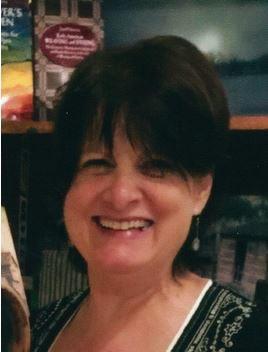
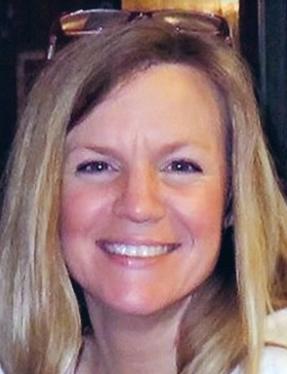
Carol Lynn Zurasky, a 46-year-old White/Caucasian woman, was killed on the evening of November 8, 2015, inside a residence on 10th Street in Fairmont, West Virginia. Fairmont police were dispatched at approximately 8:01 p.m. to 211 10th Street, Apartment 3, following a report of a shooting. When officers arrived, Zurasky was found with a gunshot wound and was pronounced dead at the scene.
Investigators quickly focused on Alma Jean Barnett, who lived at the residence and knew Zurasky.
According to Fairmont Police Chief Steven Shine, Barnett acknowledged to investigators that she had shot Zurasky once in the head with a. 22-caliber revolver after Zurasky entered her apartment. Barnett herself had placed the initial 911 call reporting the shooting. Police said the two knew one another, and later court reporting described Zurasky as Barnett's neighbor.
The shooting followed an argument earlier that evening. Witnesses told investigators that Zurasky and Barnett had been drinking and became involved in a disagreement at another location before the fatal encounter. Authorities did not publicly disclose what the argument was about, but witnesses reportedly told police that during the earlier confrontation Barnett threatened to shoot Zurasky. That account became particularly important after Barnett maintained that the shooting inside her apartment had been an act of self-defense. Police, however, said the physical circumstances they observed did not support that explanation. Chief Shine stated that investigators found no indication of a struggle and no evidence at the scene suggesting a self-defense shooting.
Barnett was taken into custody and arraigned in Marion County on a charge of first-degree murder. The prosecution moved forward with the case, and by January 2017 Barnett was standing trial for Zurasky's death. The trial continued for three days and included testimony from Barnett herself, during which she continued to assert that she had acted in self-defense. The case did not ultimately reach a jury verdict.
On January 6, 2017, during the third day of testimony, Barnett entered an Alford plea. Under that type of plea, a defendant does not necessarily admit committing the crime as alleged but acknowledges that prosecutors possess enough evidence that a jury could convict. Barnett therefore continued to maintain her innocence while accepting the legal consequences of the prosecution's case. The plea agreement called for a life sentence with the possibility of parole, with Barnett becoming eligible for parole after serving 15 years.
The available reporting identifies Barnett as the person accused and prosecuted for Zurasky's killing and does not identify another shooter or accomplice. What began with an argument between acquaintances ended hours later with Zurasky dead from a single gunshot, Barnett under arrest, and a first-degree murder prosecution that eventually concluded through the Alford plea rather than a jury's verdict.