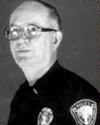
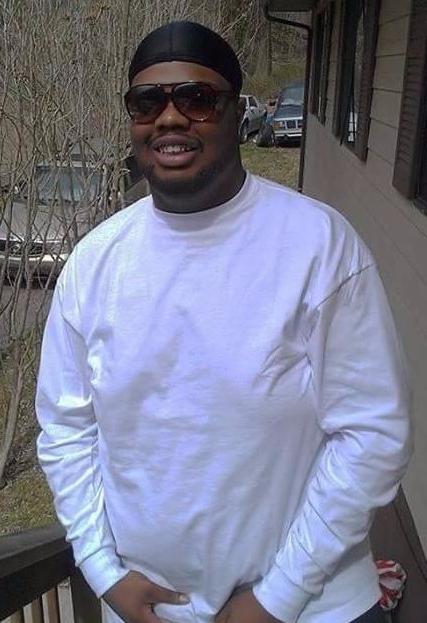
John Thomas Coleman Jr., a 50-year-old man from Charleston, West Virginia, was found shot to death inside his apartment in the 1700 block of Seventh Avenue on the city’s West Side on June 18, 2016. A neighbor became concerned after not hearing from Coleman throughout the day and went to check on him, discovering his body at about 5 p.m. Police immediately treated the death as a homicide and later confirmed that Coleman had been shot at least once.
Investigators made clear that the shooting was not a suicide, although they declined to disclose how many times he had been shot or many other details from inside the apartment.
Coleman lived alone and was described by people around him as quiet and generally well-liked. His mother, Shirley Daniels, said she could not understand why anyone would want to hurt her son and told reporters that she had never known him to have an enemy. She recalled that Coleman had been happy about his new residence and had reassured her that he was surrounded by people who cared about him. One neighbor similarly described him as someone who kept largely to himself, although the neighbor said visitors to his apartment could sometimes be noisy at night, with arguing, shouting and profanity occasionally heard. Nothing publicly reported established whether those visitors had any connection to his death.
Charleston detectives began reconstructing Coleman’s final days and weeks, interviewing acquaintances and people who might have known what was happening in his life before he was killed. Lt. Steve Cooper, then the Charleston Police Department’s chief of detectives, said investigators believed there were people who possessed information capable of helping solve the shooting. Police acknowledged that they had a lead and were pursuing it intensively, but they kept most of the evidence confidential. Authorities would not publicly say whether there were signs of forced entry, whether a firearm had been recovered, whether anything was missing from the apartment, whether drugs were found there, or whether anyone they had questioned was considered a suspect.
The killing also caused unease because other homicides had occurred nearby in the preceding months. Police said those earlier murders had been solved and that they did not believe Coleman’s death was connected to them. Investigators characterized his killing as an isolated incident rather than part of a broader series of related attacks. Even so, neighbors expressed fear after learning that someone had been killed inside a residence in their community, while Coleman’s family appealed for anyone with knowledge of what happened to come forward.
Despite the investigative lead described by police, contemporary reports stated that no arrest had been made, no charges had been filed and no suspect had been publicly named. The available independent online reporting located for this case does not document a subsequent arrest, criminal charge, prosecution, trial or conviction in Coleman’s killing. As a result, the publicly documented story ends with detectives seeking information from witnesses and acquaintances, Coleman’s family waiting for answers, and the identity of the person who shot him remaining undisclosed.