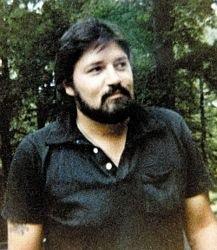
In the quiet town of Dyersville, Iowa, a sense of unease settled over the community on August 29, 1984. On that day, 37-year-old Charles Jaeger, a White male, was discovered dead in his home. The scene was grim; he was found in a pool of blood in his bed, having suffered a fatal gunshot wound to the brain. He was transported to the University of Iowa Hospitals and Clinics in Iowa City, where he was pronounced dead. The violent nature of his death left friends, family, and neighbors in shock and searching for answers.
For decades, the investigation into Jaeger's murder yielded few leads. Law enforcement officials diligently pursued any potential information, but the case grew cold. No suspects were publicly identified, and no arrests were made, leaving a shadow of unresolved justice over the small Iowa town. The lack of progress was a source of ongoing pain for those who knew Jaeger, and the story of the unsolved homicide became a local mystery that lingered for years. The case was a stark and persistent reminder of a life cut short and a perpetrator who remained at large.
Decades later, in a significant development, investigators announced in May 2025 that they were suspending the active investigation. This decision came after new information obtained in 2023 led them to believe they had identified the individual responsible for Charles Jaeger's death. This person, however, was already incarcerated, serving two consecutive life sentences without the possibility of parole for other unrelated crimes in a different state. Citing the need to preserve the integrity of the information for any potential future prosecution, authorities chose not to release the name of the suspect or a possible motive for the nearly 40-year-old crime. While not a conventional resolution, this breakthrough brought a measure of closure to a case that had long been cold.