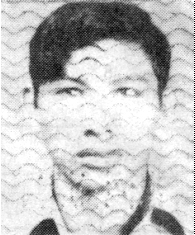
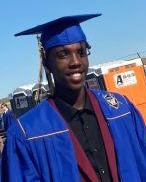
On a summer evening in Salt Lake City, Utah, on August 11, 2014, the life of 20-year-old Dillon Taylor was cut short. The events leading to his death began with a 911 call reporting that a man had flashed a gun. The caller described the man and his companion, and responding officers spotted Taylor with two others, his brother and cousin, believing they matched the description.
As officers approached the group outside a 7-Eleven convenience store near 2100 South and State Street, Taylor's
companions complied with police commands to stop and show their hands. Taylor, however, who was wearing earbuds, did not immediately comply and instead walked away from the officers. With his hands in his waistband, he was ordered to stop and show his hands. It was at this point that Salt Lake City Police Officer Bron Cruz, perceiving a threat, fired two shots, fatally wounding Taylor. A search of Taylor after the shooting revealed that he was unarmed.
In the aftermath of the shooting, no arrests were made in connection with Dillon Taylor's death. The Salt Lake County District Attorney, Sim Gill, ruled the shooting as legally justified. Gill stated that although Taylor was not armed, Officer Cruz's belief that he was reaching for a weapon was reasonable under the circumstances. This decision was influenced by body camera footage from the officer. Taylor's family disputed the finding, stating he was simply pulling up his pants. They subsequently filed a lawsuit against Salt Lake City, the city of South Salt Lake, and several police officers, alleging a violation of Taylor's civil rights.
The legal battle that followed saw the courts ultimately side with the police officer. A federal judge granted Officer Cruz qualified immunity, a decision that was later upheld by the 10th Circuit Court of Appeals in a split decision. The court determined that the officer's actions were reasonable based on the totality of the circumstances and the perception of an immediate threat, thus shielding him from liability in the civil suit.