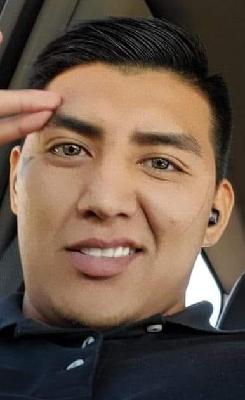
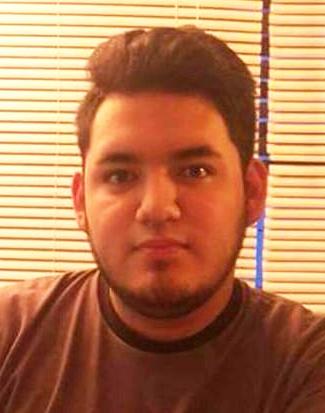
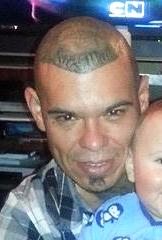
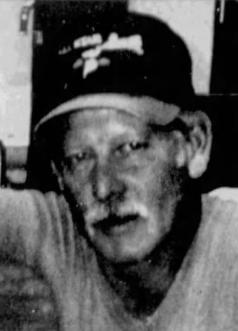
In the quiet town of Venice, Utah, the life of David Oscar Rioja, a 36-year-old Caucasian male, was tragically cut short on the night of November 22, 2015. The evening was shattered by a violent altercation that escalated to gunfire, leaving Rioja fatally wounded in the driveway of his home. An amazingly talented artist specializing in watercolor and tattoo art, he had worked in various parlors across the state.
He was also a father who had found joy in working in home health care and hospice before a back injury prevented him from continuing.
The events leading to Rioja's death began with a heated argument with another Venice resident, William Gene Muir, who was 39 at the time. Rioja's family, who lived in separate homes on the same property, reported hearing shouting and fighting between the two men. Muir allegedly left the residence only to return a short time later. Upon his return, the argument resumed, and witnesses reported hearing Rioja say something to the effect of, "What, you going to shoot me now?" This was followed by the sound of three gunshots. Rioja's parents found their son in the driveway with a single gunshot wound to the chest; he died at the scene.
Shortly after the shooting, Muir himself placed a 911 call from his home, located just a few blocks away. He claimed to have been assaulted with a baseball bat and admitted to shooting someone. When police arrived at Muir's residence, they found him with injuries and took him to a hospital for treatment before booking him into the Sevier County Jail. As he was being led away in handcuffs, Muir reportedly asked the officers, "Did I kill him?". Investigators found a broken wooden handle, similar to an ax handle, near Rioja's body, which was believed to have been used in the altercation. The back window of Muir's vehicle was also broken. A. 38-caliber revolver was later recovered from a closet in Muir's home.
William G. Muir was initially charged with first-degree felony murder in connection with David Rioja's death. The case proceeded through the legal system, and in February 2018, Muir pleaded guilty to reduced charges of manslaughter and felony discharge of a firearm, both second-degree felonies. The plea was part of an agreement with prosecutors. In March 2018, a judge sentenced Muir to serve consecutive prison sentences for the two charges. He was ordered to serve at least one to 15 years for the manslaughter charge and a minimum of three to 15 years for the firearm charge, with credit given for the time he had already spent in jail since his arrest in 2015.