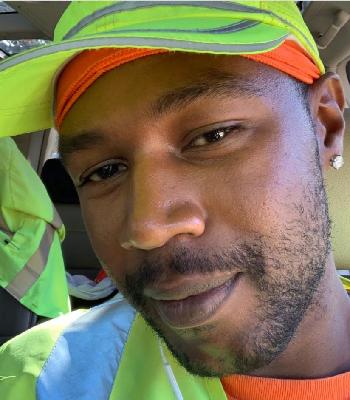
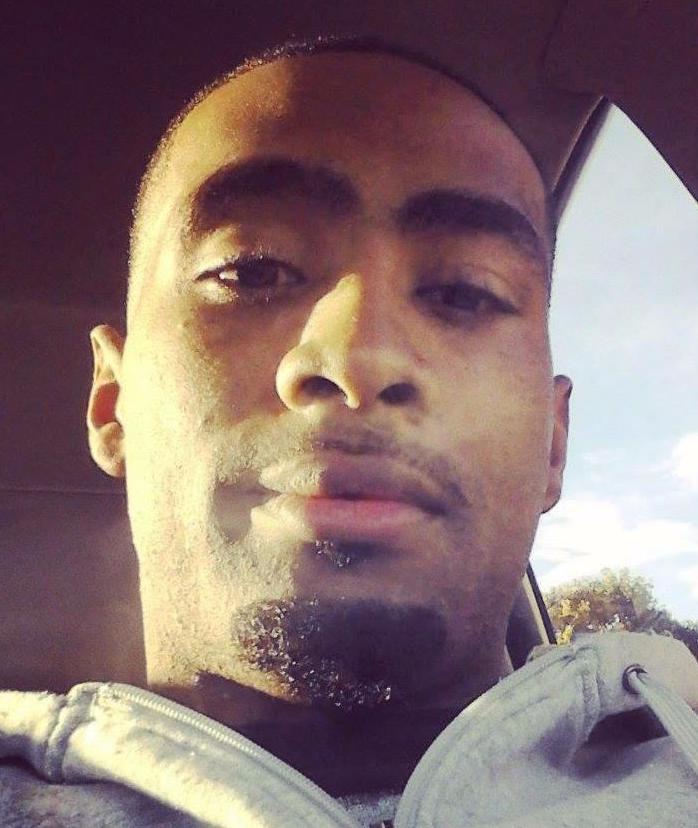
Kareem Morey Sr., a 38-year-old Black/African American man, was fatally shot after a confrontation at the Waterbury housing complex where he lived, a property known locally as “Brick City.” The violence unfolded late on January 17, 2014, near 17 Chestnut Avenue. Although the shooting occurred that Friday night, contemporary reporting states that Morey was taken to Saint Mary’s Hospital and died from his injuries early the following morning, January 18.
The events leading to the shooting began inside a third-floor apartment where Arvaughn Clemente and Daniel Clinton were hosting a gathering. Clemente was dating Morey’s daughter, Ja-Ki Calloway. According to the court record, Calloway’s brother learned that Clemente had assaulted her, prompting him and his brother Kentrell Morey to go to the apartment and demand that she leave. She refused, and an argument between the brothers and men attending the gathering escalated into a fistfight on the landing. Morey Sr. had not been present during that initial altercation. His sons eventually left the complex, contacted their father and told him what had happened, while also going to a nearby neighborhood to gather several other people before returning.
At about 10:30 p.m., Morey returned and remained at ground level in the courtyard as his sons and several others approached the third-floor apartment. The brothers began kicking the apartment door. When the door eventually opened, the interior was dark, and one of Morey’s sons heard what sounded like the clicking of a gun. The brothers started retreating down the stairs as people from the apartment emerged onto the third-floor landing. Prosecutors presented evidence identifying Ismail H. Abdus-Sabur as the person who then fired a black handgun from the landing toward the courtyard below. As the gunfire began, Morey pushed one of his sons out of the way. Morey was struck in the chest by a. 45-caliber bullet. Wounded, he told his sons that he had been hit and made his way through the courtyard passage toward his parked vehicle. He was rushed to the hospital but did not survive the gunshot wound.
Police quickly identified Abdus-Sabur as their murder suspect. According to the later appellate record, he and his brother Isa Abdus-Sabur left the complex after the shooting. The following day, the brothers encountered Kentrell Morey’s girlfriend, and Ismail allegedly made a statement she interpreted as a threat against the Morey brothers. Ismail left Waterbury for Southington on January 18 and later traveled to New York City. Waterbury police obtained an arrest warrant charging him with murder on January 21 and worked with the U.S. Marshals Service and other jurisdictions while searching for him. He ultimately surrendered on January 27, 2014.
Abdus-Sabur was brought to trial and, in 2016, a jury found him guilty of murder and criminal possession of a firearm. He received 45 years of incarceration for the murder and a concurrent two-year term for the firearm offense, leaving him with an effective sentence of 45 years. He challenged the conviction on direct appeal, arguing among other issues that there was insufficient evidence that he intended to kill Morey and that the trial court should have given the jury an instruction allowing it to consider whether someone else was responsible. The Connecticut Appellate Court rejected those arguments and affirmed the conviction in 2019, and the Connecticut Supreme Court declined further review of that direct appeal.
The case later developed an unusual post-conviction dispute involving Ismail’s brother, Isa. During habeas proceedings in 2023, Isa testified under oath that he, rather than Ismail, had been the person who fired the gun. Two videos made years earlier in which Isa took responsibility for the shooting were also admitted into evidence. The habeas court concluded that Ismail’s original trial attorney should have subpoenaed Isa and presented that evidence and granted relief on an ineffective-assistance-of-counsel claim, although the court did not grant Ismail’s separate claim of actual innocence.
That ruling did not end the case. In July 2025, the Connecticut Appellate Court reversed the portion of the habeas judgment that had favored Abdus-Sabur. The appellate judges concluded that the trial attorney’s decision not to call Isa could reasonably have been a strategic choice because Isa had been reluctant to cooperate with defense investigators before the original trial and his potential testimony was considered unpredictable. The court ordered the ineffective-assistance claim denied, leaving Ismail Abdus-Sabur’s conviction and sentence intact. The Connecticut Supreme Court subsequently agreed to review that specific ruling. As of September 2026, Abdus-Sabur remained incarcerated under the 45-year sentence while continuing to challenge the conviction, with the dispute over his brother’s claimed responsibility forming the central issue in the ongoing Supreme Court proceedings.