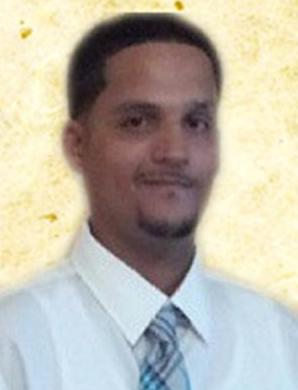
On the morning of Thursday, March 26, 2015, Jose Araujo, a 30-year-old male, was diligently working at a construction site at the intersection of Chopsey Hill Road and Pond Street in Bridgeport, Connecticut. An immigrant from Cape Verde, he was an employee of Burns Construction Co., digging a ditch to support his family, which included his young son.
His life was abruptly cut short in a seemingly random act of violence that morning.
A man, later identified as 33-year-old Gregory Weathers Jr., approached the construction site and asked the foreman about any available job openings. The foreman instructed Weathers to go to the company's main office to fill out an application. Weathers walked away, but his frustration over his desperate need for money, reportedly to hire a lawyer for multiple drunk driving charges, appeared to escalate. He returned to the site a short time later, this time armed with a handgun. Without any known provocation or prior acquaintance with the victim, Weathers shot Araujo as he worked.
The sound of gunfire drew immediate attention, and a foot pursuit of the suspect ensued. Police officers who were nearby directing traffic quickly responded to the scene. They found Weathers hiding in the brush behind a house on Saunders Avenue, not far from his own home. The gun believed to be the murder weapon was discovered next to him. Weathers was taken into custody without further incident and charged with murder, criminal possession of a pistol, stealing a firearm, and possession of a pistol without a permit.
In the legal proceedings that followed, Gregory Weathers did not deny shooting Jose Araujo but entered a plea of not guilty by reason of insanity, claiming he was suffering from a mental disease or defect at the time of the killing. However, in 2017, a panel of three Superior Court judges rejected the testimony of two psychiatrists and found Weathers guilty of murder. He was subsequently sentenced to 45 years in prison. The state Supreme Court later upheld his conviction, affirming the judges' conclusion that Weathers' actions were born out of frustration and anger rather than a qualifying mental condition.