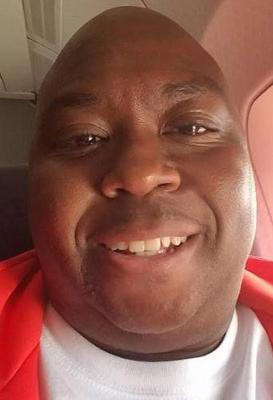
Toriyus L. Keefer, a 21-year-old male, was among the victims of Chicago's surge in violence in 2016. Keefer was shot and killed on August 4, 2016, in what was part of an especially violent month for the city. In August alone, more than 400 people were shot, with 76 deaths reported, making it the deadliest month for Chicago in nearly two decades. This month saw unprecedented levels of violence, with shootings taking place almost daily across several of the city’s neighborhoods. The surge in violence was attributed in part to increased gang activity, which exacerbated existing tensions in Chicago’s most vulnerable areas.
The incident that claimed Keefer's life was part of a broader pattern that saw Chicago outpacing other major cities like New York and Los Angeles in terms of homicides. In 2016, Chicago experienced an alarming increase in violence, with a total of 762 homicides recorded over the year, marking it as one of the deadliest periods in recent history. Much of the violence affected the city’s South and West sides, neighborhoods that have historically suffered from high levels of poverty and inequality. Residents in these areas faced significantly higher risks of falling victim to gun violence compared to other, more affluent parts of the city.
During that violent weekend, numerous shootings took place, and many victims were left relatively unnoticed outside of their families and communities. Keefer’s death, like many others that year, highlighted the challenges facing the city’s efforts to curb gun violence. In response to the crisis, city officials called for stricter gun regulations and emphasized the need for more targeted interventions to reduce gang activity and protect residents in the most affected areas. Despite these efforts, the scale of the violence underscored the deep-rooted social and economic issues contributing to the instability in Chicago's hardest-hit communities.