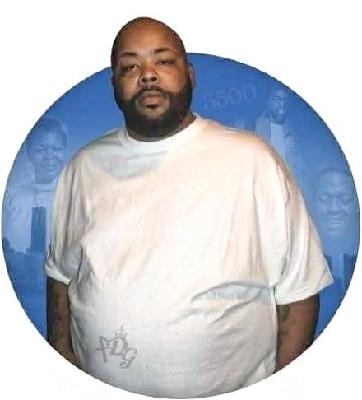
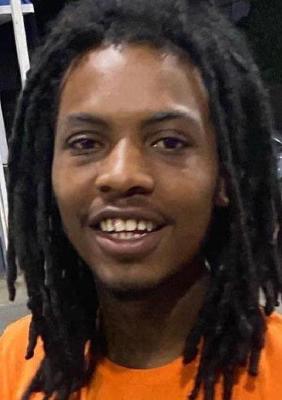
Cortez F. Tate, a 25-year-old resident of Chicago, was fatally shot on August 9, 2016. The incident took place in a neighborhood that was among many areas of Chicago grappling with high rates of violent crime at the time. Cortez was one of several victims of gun violence during a particularly deadly summer for the city. August 2016 was a notably violent month, contributing significantly to the overall rise in homicides in Chicago that year, which reached the highest level in decades.
The context of Cortez Tate's death highlights the ongoing issues with violence in Chicago, particularly during a period when gun violence had spiked dramatically. In 2016, the city recorded over 760 homicides, a substantial increase from the previous year. Much of this violence was concentrated in neighborhoods struggling with poverty and gang conflicts, which created a dangerous environment for many residents. Efforts by law enforcement and community groups to reduce violence faced significant challenges due to the complexity of the contributing factors, including the difficulty in obtaining witness cooperation and the widespread availability of firearms.
Cortez’s death is part of the tragic pattern of gun violence that has plagued Chicago’s neighborhoods, especially during the summer months when crime tends to peak. Community leaders and residents have long called for more effective interventions and resources to address the underlying socio-economic issues that contribute to the high rates of violence. The ongoing efforts to combat this issue aim to create safer neighborhoods, but the work remains difficult and requires sustained, multi-faceted approaches.