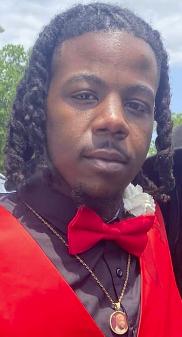
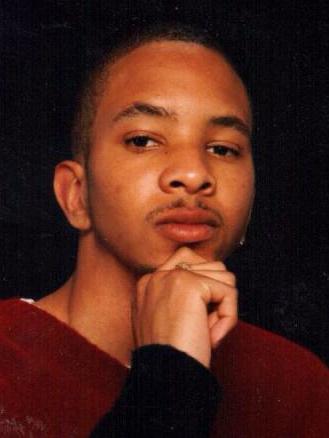
Wayne Martin “Marty” Bryant Jr., a 23-year-old male deputy sheriff with the Pulaski County Sheriff’s Office in Arkansas, began March 18, 1988 as another day in the uniform he had worked so hard to earn, patrolling the Little Rock area where he lived and served. That Friday would be marked as his end of watch, the date when a routine call turned into a sudden burst of gunfire that took his life and forever linked his name with the city he was sworn to protect.
Those who later wrote about him described someone who had long seen police work as a calling rather than simply a job. Friends from the University of Arkansas at Little Rock remembered sharing criminal justice classes with him and recalled that he was quiet, unassuming, and deeply committed to the idea of becoming a police officer. Family reflections speak of a man of faith and humor who believed that wearing the badge was a way to stand between ordinary people and the “darkness” of crime. By the time of his death he had been with the Pulaski County Sheriff’s Office for about two years, still early in his career but already training and working closely with other deputies. He left behind a fiancée, his parents, two sisters, and two brothers, a close-knit family whose later tributes describe a lingering ache and pride in equal measure.
On the evening of March 18, 1988, Bryant and his partner were dispatched to a disturbance call at a residence in Pulaski County, in or near Little Rock. What may have sounded like one of the countless calls officers answer every week turned deadly as they approached the home. According to official summaries, the suspect suddenly opened fire on the deputies as they neared the residence, ambushing them before they could fully assess the situation. Bryant was struck by the gunfire, mortally wounded in the exchange. Even as he was going down, he managed to return fire, continuing to do his job in the most literal sense—protecting his partner and anyone else nearby from the armed attacker. His shots fatally wounded the assailant, ending the threat even as his own life slipped away.
In the aftermath, investigators recorded the essential facts succinctly: the cause of death was gunfire during a disturbance call, the weapon a firearm of unspecified type, and the suspect shot and killed at the scene. Public accounts do not dwell on the attacker’s identity, background, or motives; they simply note that the person who opened fire on the deputies died from Bryant’s return shots. With the gunman killed in the exchange, there were no arrests, no trials, and no later parole hearings arising from the case. The official record treats the matter as a completed incident—an officer slain in the line of duty by a lone assailant who did not survive his own act of violence.
For Bryant’s family, colleagues, and friends, the story did not end with the closing of the investigative file. In the years that followed, his name was etched onto the Pulaski County Sheriff’s Office memorial placed in front of the administration building, alongside the names of other deputies who died in service. Online memorials and reflection pages show a steady stream of messages—college classmates recalling his jokes in late-night study sessions, fellow officers remembering long shifts and quiet conversations, and family members writing about a beloved son and brother whose example still shapes their lives. One retired officer has written about first seeing the news footage of Bryant’s body lying beside his patrol car, covered by a sheet, a stark image that stayed with him for decades. On gun violence remembrance sites, candles continue to be lit in his honor, each small flame representing someone, somewhere, who refuses to let his sacrifice fade into anonymity. Taken together, these fragments form a portrait of a deputy whose final moments were marked by courage under fire, and whose name remains woven into the story of Little Rock and Pulaski County’s fallen.