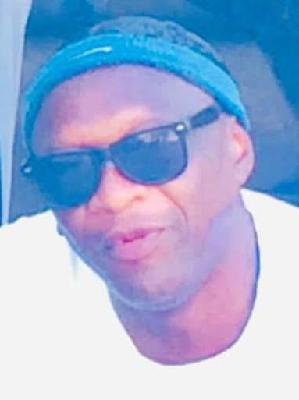
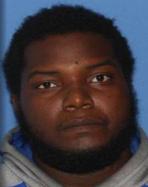
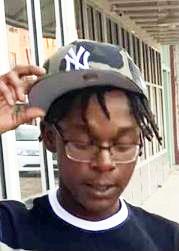
Fredrick Lacey, a 55-year-old Black / African American man from West Helena, Arkansas, spent his life in the Delta community where he was known as an outgoing, loving person who would help anybody, a mechanic who worked along Highway 49 and a father remembered in online tributes for the warmth he showed his family and friends. On an evening in May 2018, those same familiar streets where he worked and raised his family would become the setting of his final drive.
On May 20, 2018, just after nightfall, Lacey was stopped at a sign near North 5th and Garland in West Helena, sitting in his vehicle around 8:30 p.m. when gunfire broke the quiet. Multiple shots tore into the car, striking him as he waited at the intersection. In a desperate attempt to survive, he pressed the accelerator and tried to flee the ambush, guiding the wounded vehicle away from the corner where the bullets had come from.
The car made it only about two blocks before the chaos spilled into another residential street. As Lacey’s vehicle sped along Anderson Street, it veered close enough to a woman and her young daughter that they were nearly hit, a split-second brush with danger that witnesses later described as terrifying. Moments later, the wounded car slammed into a fire hydrant, coming to a violent stop. Neighbors rushed outside to find the vehicle riddled with bullet holes and its driver gravely injured, the ordinary rhythm of a Sunday evening shattered by the sound of shots and twisting metal. Lacey did not survive the attack; the gunfire that had erupted at the stop sign proved fatal.
In the days that followed, the killing drew the attention of local authorities and reporters. A local newspaper in Helena reported that an 18-year-old man had been arrested and charged with capital murder in connection with the slaying of a 55-year-old man shot in his vehicle, a story cited in later memorials to Lacey and linked directly to his case. The charge suggested that investigators believed the young suspect had opened fire while Lacey sat behind the wheel, turning an ordinary drive into a deliberate act of deadly violence. Publicly available summaries, however, do not clearly trace what happened to that case afterward—whether the charge led to a conviction, a plea, or some other resolution—leaving the online record of the legal outcome fragmentary and incomplete.
Years later, his name still appears on lists of West Helena homicide victims, and case-tracking sites host quiet conversations about what happened that night and who was there to see it. One forum post reflects on the bystanders—the woman and child who almost became victims themselves, the neighbors who ran toward the crash instead of away from it—and how their lives were marked by the sudden burst of violence on their street. In those scattered online comments and memorial pages, the memory that emerges is not only of a mechanic and father taken by gunfire, but of a community left with unanswered questions, trying to make sense of a killing that began at a simple stop sign and ended against a broken hydrant on Anderson Street.