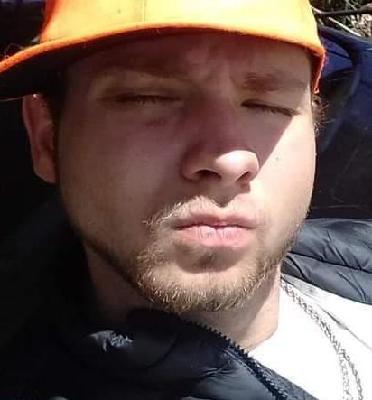
Undra Lambert, a 28-year-old Black / African American man, was known to those closest to him by the nicknames DJ and Rappa D, names that reflected both his love of music and the laid-back charm that drew people in. He was born on May 11, 1990, in Monticello, Arkansas, to Angelia Anderson and Undra L. Lambert Sr., and grew up in that community before graduating from Monticello High School in 2008.
Friends and family later described him as someone whose smile seemed ever-present, a person who brought light into the rooms he walked into and who was deeply devoted to his family, including his role as a father. Online memorials paint a picture of a caring, protective soul, remembered as a wonderful person with a great personality who could always be counted on for a laugh or a kind word.
By the fall of 2018, Lambert’s life intersected with Conway, Arkansas, a fast-growing college town where new apartment complexes lined busy streets. In the early hours of Thursday, September 27, 2018, he was at the Plaza Pointe Apartments on Market Plaza Drive when violence shattered the quiet of the night. Around 2:00 a.m., gunfire erupted at the complex, and Lambert was shot. Police would later say they believed the shooting happened there before he was taken to a local hospital. At Conway Regional Medical Center, medical staff tried to save him, but the wounds were too severe, and he was pronounced dead that morning. News outlets quickly reported that the death was being investigated as a homicide, turning a private family tragedy into a public case that rippled through both Conway and his hometown of Monticello.
In the immediate aftermath, the Conway Police Department moved swiftly to secure the scene at Plaza Pointe. Patrol cars and crime scene tape marked off the complex as detectives worked through the night, interviewing residents and searching for evidence that might explain who had fired the shots and why. The department announced through local media and social channels that it was investigating Lambert’s death and emphasized that no one had been arrested. Public appeals asked anyone who knew anything about what had happened—no matter how small the detail—to call the department or send anonymous tips by text, suggesting that investigators believed there were witnesses or people with information who had not yet come forward.
Months later, the name Plaza Pointe Apartments resurfaced in the news when another man was shot and later died after being dropped at a hospital, and coverage of that separate homicide reminded readers that Lambert had been killed in a shooting at the same complex earlier that fall. The echo of his case in later reporting reinforced how his death had become part of a troubling pattern of gun violence connected to that address. Even as new cases emerged, crime-watch and cold-case sites continued to gather information about Lambert, noting the original media reports and tracking any developments. Those compilations, updated as recently as late 2024, indicate that despite the passage of years there have been no publicly reported arrests or identified suspects connected to his killing, and no official announcement that the case has been cleared.
Online memorial pages dedicated to Lambert show that, while the investigation has remained publicly unresolved, his memory has not faded for the people who loved him. Dozens of digital candles have been lit in his honor, each one accompanied by brief, heartfelt messages: notes about his bright smile, acknowledgments of the joy he brought into others’ lives, and grieving words from those who still struggle with his absence years later. On these pages, he is not defined by the manner of his death but by the warmth, humor, and loyalty others remember. At the same time, the lack of an arrest or named suspect hangs heavily over those tributes, a quiet reminder that the story of what happened at Plaza Pointe Apartments in the dark hours of September 27, 2018, is still missing its final chapter—and that the hope for answers, and for justice, remains.