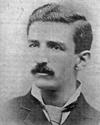
On a summer morning in Bisbee, Arizona, the life of Orson Pratt McRae, a 33-year-old man, was cut short. It was July 12, 1917, and McRae had been a deputy sheriff for just one day. He found himself in the midst of the historic Bisbee Deportation, a major labor conflict that pitted striking miners against powerful mining corporations. That day, Sheriff Harry Wheeler had assembled a posse of around 2,000 men to arrest and deport the striking workers.
As part of this large group, Deputy
McRae was assigned to a smaller contingent tasked with gathering miners from the rooming houses in an area of Bisbee known as Jiggerville. At one of these boarding houses, he encountered a miner by the name of James Brew. Sources suggest McRae was unarmed when he entered Brew's room. An altercation ensued, and despite being warned against resistance, Brew fired upon McRae, wounding him mortally.
In the chaotic moments that followed, the other deputies in McRae's posse immediately retaliated, shooting and killing James Brew. Orson McRae was the sole fatality among the sheriff's posse during the entire deportation event. An official inquest determined that James Brew was responsible for McRae's death. With the suspect killed at the scene, no further arrests were made. Orson McRae, who had been sworn in the day before his death, was survived by his wife and four children.