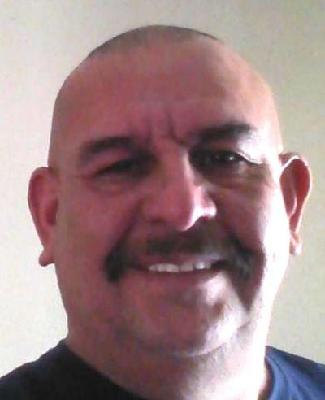
In the pre-dawn darkness of a remote and rugged Arizona canyon near the Mexican border, the life of 30-year-old Border Patrol Agent Nicholas J. Ivie was tragically cut short on October 2, 2012. A native of Provo, Utah, Ivie had been with the U.S. Border Patrol for four years, stationed at the Brian A. Terry Border Patrol Station near Bisbee. He left behind a wife and two young daughters.
On that fateful morning, at approximately 1:30 a.m., Ivie and two other agents were responding to a
ground sensor that had been triggered in a known smuggling corridor. The terrain was rocky and visibility was poor. In the ensuing confusion, the agents mistook one another for hostile individuals. An exchange of gunfire erupted between them, and in the chaos, Ivie was mortally wounded. A second agent was also injured in the incident but survived.
Initial reports were sparse, leading to speculation about an ambush by criminals. However, as the investigation, led by the FBI and the Cochise County Sheriff's Office, progressed, a different and more heartbreaking narrative emerged. Strong preliminary indications quickly pointed toward the incident being a case of 'friendly fire.' Ballistic testing later confirmed that the shots that killed Agent Ivie and wounded his colleague were fired by another agent at the scene.
Ultimately, the FBI concluded that there were no outside suspects involved in the shooting. No arrests were made in connection with Nicholas J. Ivie's death, as it was determined to be a tragic accident resulting from a case of mistaken identity in a high-stress and dangerous environment. The incident served as a somber reminder of the perilous conditions under which Border Patrol agents operate.