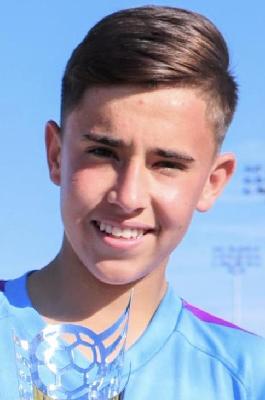
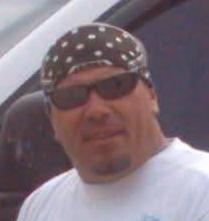
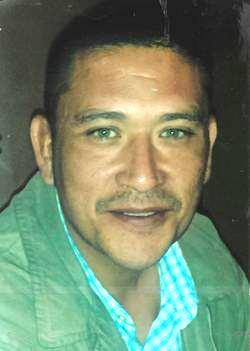
In the heat of a southern Arizona summer, the life of 16-year-old Glenn Estes was brutally cut short. His body was discovered on the morning of July 6, 1990, in a water tank located in a desolate desert area on the outskirts of Tucson. The young man, a male, had sustained multiple gunshot wounds to his head and chest, as well as severe injuries from a machete to his neck and upper body.
The investigation into the homicide quickly led authorities to two suspects, Claude Eric Maturana and
Stephen Ballard. A crucial piece of evidence, a receipt bearing Maturana's name and signature, was found at the crime scene. Later that day, after Glenn's mother had reported him missing, the sheriff's department was able to identify him as the victim. That same evening, law enforcement located and detained Maturana and Ballard for questioning.
During his interrogation, Maturana's account of his whereabouts and involvement shifted multiple times. Initially, he claimed to have dropped Glenn off at his house in the early hours of the morning, professing ignorance about the murder. However, when confronted with the evidence found at the scene, he admitted to being in the desert with Glenn and Ballard. He first attempted to invent a fourth person at the scene, but eventually confessed to being present during the killing, though he denied participating. His defense at trial was that Ballard alone had killed Glenn. Maturana did admit to helping dispose of the body in the water tank.
Despite his denials, Claude Eric Maturana was convicted by a jury of first-degree premeditated murder on February 26, 1992. The court sentenced him to death for the killing of Glenn Estes. Further testimony revealed a chilling narrative of the events, with another inmate, Pete Stevens, testifying that Maturana had bragged about the murder, describing with a lack of remorse how Glenn shook with each gunshot. The motive for this violent act was reportedly a stolen car manifold, which Maturana believed Glenn had taken. Evidence also suggested that Glenn was alive and conscious for at least a portion of the assault, with defensive wounds indicating he had tried to fend off the machete attack.