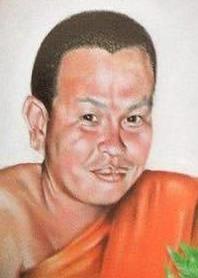
In the quiet early morning hours of August 10, 1991, a scene of profound violence shattered the tranquility of the Wat Promkunaram Buddhist temple in Waddell, Arizona. Among the nine individuals whose lives were tragically cut short was Siang Ginggaeo, a male monk of Thai descent. The victims were discovered later that day by a temple cook, their bodies arranged face down in a circle, each having been shot in the back of the head.
The initial investigation into this horrific mass murder, which at the time was the deadliest at a place of worship in United States history, was fraught with missteps.
Authorities initially arrested four men from Tucson, who became known as the 'Tucson Four.' Following lengthy and intense interrogations, some of which reportedly lasted for over 30 hours, three of the men confessed in writing. However, the case against them began to unravel as it became clear that the primary witness was unreliable, with a history of making outlandish claims. The lack of physical evidence connecting the four men to the crime scene ultimately led to the realization that they had been wrongfully accused, a controversial and troubling chapter in the investigation.
The true perpetrators were eventually identified as teenagers Johnathan Doody, age 17, and Allesandro Garcia, age 16. The investigation shifted after a. 22-caliber rifle used in the killings was discovered. Garcia confessed that he and Doody had gone to the temple armed with the rifle and a 20-gauge shotgun with the intention of robbing it. They stole approximately $2,600 and some audio/visual equipment after committing the murders. To avoid the death penalty, Garcia pleaded guilty in 1993 and was sentenced to 271 years in prison. Doody was convicted in 1994 and received a 281-year sentence. Following a series of appeals that overturned his initial conviction, Doody was tried again and found guilty in 2014, receiving nine consecutive life sentences for his role in the brutal slayings.