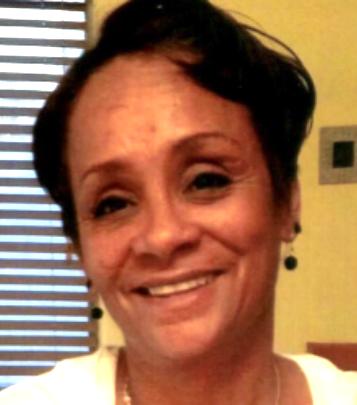
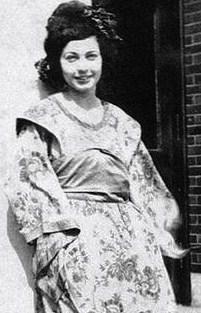
Carmen G. Trujillo was a 46-year-old Hispanic woman living in Phoenix, Arizona, whose life ended abruptly on January 7, 2004, when she was killed by gunfire. Public records that remember her focus mostly on the date and place of her death and on the arrangements made in the days that followed, noting simply that she “passed away” in Phoenix on that winter Wednesday.
Behind that brief wording, advocacy and memorial projects indicate that Carmen died in a domestic-violence homicide.
A remembrance entry that compiles cases of intimate partner violence in Arizona records that Carmen was shot and murdered by the boyfriend she lived with, categorizing her death as a gun-involved homicide within an ongoing intimate relationship. The same entry links her case to statewide domestic-violence fatality reports, underscoring that her killing was part of a larger pattern of relationship violence documented by the Arizona Coalition Against Domestic Violence. In these accounts, her home is not described in detail, but it is clear that the space she shared with her partner became the setting for the final, lethal episode of abuse, and that the weapon used was a firearm.
In the aftermath of her death, attention in the public record shifts quickly from the violence itself to the rituals of mourning. An obituary published in The Arizona Republic announced that friends and relatives would gather for a visitation at Abel Funeral Services on North 51st Avenue in Phoenix on the evening of January 15, 2004, with a rosary to be recited at 7 p.m. The following morning, a funeral Mass for Carmen was scheduled at St. Matthews Catholic Church on North 20th Drive, reflecting the central place of Catholic faith traditions in the way her community chose to honor her. After the Mass, she was to be taken to Greenwood Memory Lawn Cemetery on West Van Buren Street for a graveside service and burial, placing her final resting place amid one of Phoenix’s longtime cemeteries.
The public documents that preserve Carmen’s name offer only fragments of what happened to the man identified as her killer. The domestic-violence remembrance entry states only that her live-in boyfriend shot and murdered her; it does not give his name or describe whether law enforcement arrested him, what charges he might have faced, or if any trial or conviction followed. Likewise, gun-violence memorial listings and her obituary acknowledge her as a victim “lost to gun violence” and mark her passing with funeral and burial details, but they provide no information about the legal aftermath of the shooting. As a result, the online record of Carmen G. Trujillo’s death is defined by the stark fact that she was killed by the man she lived with, the quiet listing of dates and services that followed, and the absence of publicly available information about whether the person responsible was ever brought before a court.