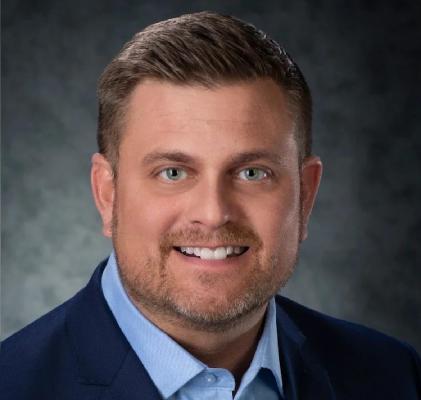
Brian Robert Thompson, a 50-year-old White man, was walking through Midtown Manhattan before dawn on December 4, 2024, headed toward a hotel hosting his company’s investor conference when, prosecutors say, a figure who had been waiting with intention stepped from the shadows of West 54th Street. The shooter, positioned between parked cars near Sixth Avenue, closed in from behind and fired multiple shots from a 9mm pistol outfitted with what authorities described as a sound suppressor, cutting
Thompson down on the sidewalk in a killing investigators would later characterize as targeted and carefully planned.
In the hours after the shooting, the city’s usual morning pulse turned uneasy. Detectives stitched together surveillance footage and witness accounts as the gunman slipped away by bicycle, riding north through Central Park and back toward the Upper West Side, leaving behind a trail that suggested rehearsal more than panic. Federal authorities later alleged the attack was preceded by weeks of preparation: the suspect traveled to New York City from out of state on November 24, 2024, used false identification to check into a hostel on the Upper West Side, and conducted reconnaissance around Thompson’s hotel and the conference venue, tracking where and when his target would appear.
Five days later, on December 9, 2024, the manhunt ended far from Manhattan. Police in Altoona, Pennsylvania, confronted Luigi Nicholas Mangione inside a fast-food restaurant after an employee recognized him, according to federal allegations. When officers approached, authorities say he presented the same false identification tied to the New York hostel stay, and investigators later said he was found with a 9mm pistol and a suppressor consistent with the weapon used in the shooting.
Mangione was pulled into two parallel prosecutions—federal and state—and pleaded not guilty as both cases moved into protracted pretrial fights. Federal prosecutors charged him with using a firearm to commit murder, interstate stalking resulting in death, stalking through interstate facilities resulting in death, and discharging a silencer-equipped firearm in furtherance of a crime of violence—charges that, prosecutors contend, can make the case eligible for the death penalty.
As of January 9, 2026, the case remained unresolved, with the most consequential question hovering over the federal prosecution: whether the government can pursue capital punishment. In federal court, Mangione’s lawyers pressed to take the death penalty off the table and to dismiss or narrow parts of the indictment, while prosecutors argued the charges and evidence should stand. A judge indicated jury selection was expected around early September, with the trial’s start date dependent on how the death-penalty issue is ultimately decided; meanwhile, a trial date in the parallel New York state murder case had not yet been set.