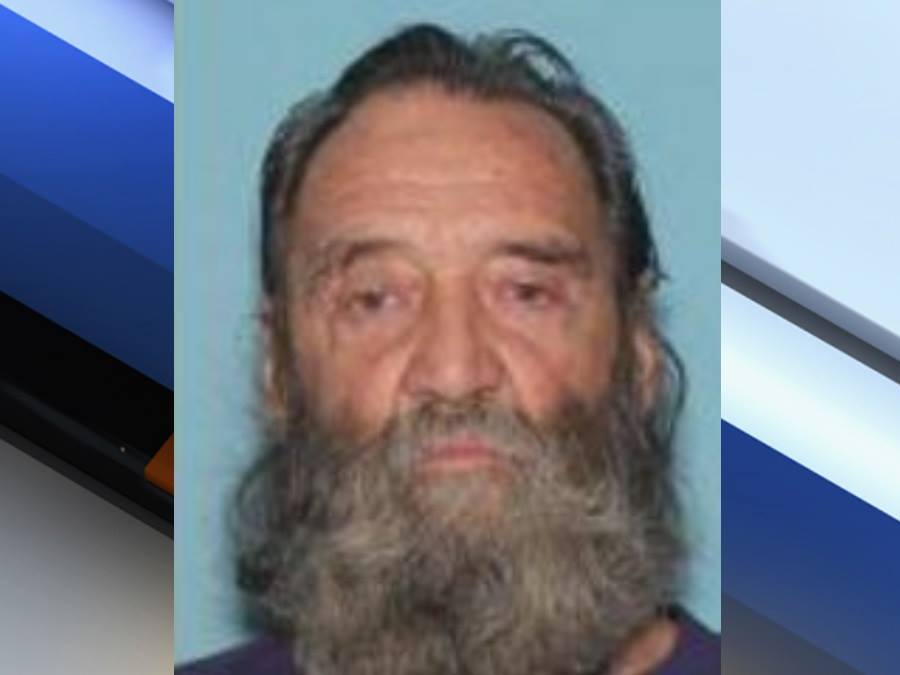
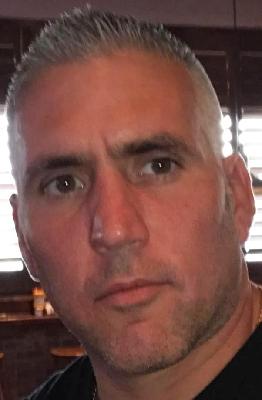
Reginald Locke was a 73-year-old man from Phoenix, Arizona whose death in June 2016 was treated as a homicide by local authorities. He lived in a home near 24th Street and Roosevelt Street, just off the Loop 202 freeway. When he was first reported missing by his girlfriend on June 6, 2016, there was no immediate indication of foul play, but concern grew quickly when he did not return or make contact.
The next day, Locke’s girlfriend went to his home and made a horrifying discovery.
Inside a closet, she found his body restrained and showing clear signs of trauma. Responding officers documented that he had been bound, and Phoenix police immediately launched a homicide investigation centered on the residence and surrounding neighborhood. Earlier coverage noted that police had initially responded to the house as part of a missing-person follow-up before realizing they were dealing with a killing, and at the time there were no suspects in custody.
As detectives dug into Locke’s background, they confirmed that he was a registered sex offender with a prior Arizona conviction for attempted child molestation, a detail that shaped some of the public reaction to the case but did not change the fact that investigators were now dealing with a violent, targeted crime inside his own home. The manner in which he was found suggested that his attackers had been in the residence long enough to overpower, restrain, and conceal him, and police treated the homicide as a planned assault rather than a random encounter.
An early investigative lead pointed officers toward a woman known only by the nickname “Sugar.” According to police, they received information that “Sugar” and an accomplice had planned to rob Locke after she distracted him by offering sex. This theory fit with evidence from the scene suggesting both a physical struggle and a robbery, and investigators began trying to identify who “Sugar” was and how she had gained access to the home.
In September 2017, more than a year after the killing, a major break came when a woman named Jerri Joellen Kindelay, then 46, approached police claiming she had been present when Locke was murdered. She initially portrayed herself as a witness who had gone to the house to clean, saying a man entered behind her and carried out the attack. As detectives checked her story, they discovered that Kindelay herself used the nickname “Sugar” and that her DNA had been recovered from Locke’s fingernail clippings, indicating close contact during the assault. Confronted with this evidence, Kindelay reportedly admitted that she had gained entry by offering sexual favors, allowing a male accomplice to beat Locke, tie him up, and place him in the closet before the pair stole a truck and left.
On the strength of the DNA evidence, her own statements, and corroborating details about the plan to rob Locke, Phoenix police arrested Kindelay in Mesa in March 2018. She was booked on a charge of first-degree murder and held on a $1,000,000 bond. Authorities have continued to describe a second participant in the crime — the man Kindelay said actually inflicted the fatal beating — but public reports do not name that accomplice or confirm that anyone else has been arrested in connection with Locke’s death. As of the latest available reporting, Kindelay remains the only publicly identified suspect, and the case stands as a stark example of how a supposed witness can, over time, be unmasked as an alleged participant in a homicide.