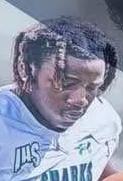
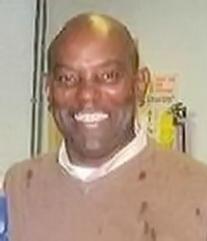
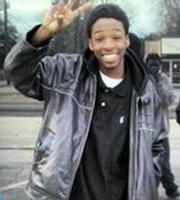
Kevin Terrell Wade, a 38-year-old Black man from Savannah, Georgia, died on September 28, 2011, at Memorial Health University Medical Center. Publicly available online records about his death are limited, and much of what remains online comes from obituary notices rather than detailed law-enforcement reporting. Those notices place him in Savannah at the time of his death and show how suddenly his life was cut short, with funeral arrangements following soon after and memorial services held in the days that followed.
What can be gathered from the surviving online information is that his death was treated as a violent one, and that he was shot before being taken to the hospital, where he later died from his injuries. The trail that should have followed in the public record is strangely thin. There is no widely available, detailed news archive still accessible online that lays out the full circumstances of where the shooting happened, what led up to it, or who was with him in the moments before he was wounded. That absence leaves the story feeling unfinished, as though the most important part of the record vanished while the grief remained.
The personal details that do survive sketch the outline of a man whose death rippled through a large family. Online obituary records say he was survived by his wife, JaVonna Wade, along with three daughters and six sons, as well as his mother, Sandra Graves, and his father, Frank Johnson. Even in the sparse language of funeral notices, the scale of that loss is clear. His memorial service was scheduled at St. John Baptist Church in Savannah, a final gathering place for the people left to reckon with what happened.
As for arrests, suspects, or later courtroom developments, no clear publicly accessible online source located in this search identifies a suspect, announces an arrest, or documents charges, a trial, or a conviction in connection with Wade’s death. In practical terms, that means the publicly visible record does not show a named offender or a resolved case. The result is a story that ends where it should have begun to open up: with a man wounded, a hospital death on September 28, 2011, and a family carrying the weight of what the public record still does not fully explain.