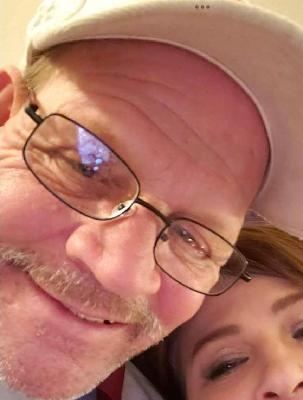
Benjamin Merritt was a 34-year-old white man whose Friday morning began like countless other commutes—until it ended in violence along northbound Highway 141 near Gravois Bluffs Boulevard in Fenton, Missouri. Investigators and local reporting describe a road-rage dispute between Merritt and another driver that escalated after both vehicles stopped in the roadway. Police were dispatched around 8:10 a.m.
after a call about a traffic hazard and arrived to find multiple vehicles pulled over and a man suffering from a gunshot wound. Merritt was rushed to a hospital, but he died from his injuries.
According to the probable-cause narrative summarized by law enforcement and echoed in local coverage, the confrontation unfolded quickly once the two drivers were face-to-face. Merritt exited his vehicle and approached the other driver, who remained seated in his car. In the moments that followed, Merritt allegedly flicked cigarette ash or a cigarette toward the driver’s face, then turned and began walking back toward his own vehicle. It was then, authorities allege, that the other driver shot Merritt in the back. The gunfire turned a brief flare of anger into a fatal outcome on a busy stretch of road.
Police identified the suspect as Robert Mulkey, 53, of Crystal City, Missouri, and said he was taken into custody. The St. Louis County Prosecuting Attorney’s Office issued charges the same day, accusing Mulkey of first-degree murder and armed criminal action. Reports noted that he was held on a $500,000 cash-only bond with no 10% option while the case proceeded. In the public accounts of the incident, Mulkey is the only named suspect, and the shooting is framed as the culmination of that single roadway confrontation.
In the wake of Merritt’s death, remembrances painted a picture of someone whose life was larger than the few seconds that made the news: he was known by friends and family as “Benny” or “Ben,” and a fundraiser created shortly after the shooting described the shock that rippled through his loved ones, including his partner and children. The contrast is stark in the way these stories sit side by side—the clinical details of a roadside argument and a single shot, and then the quieter aftermath of grief, logistics, and a family trying to make sense of a loss that should never have happened.