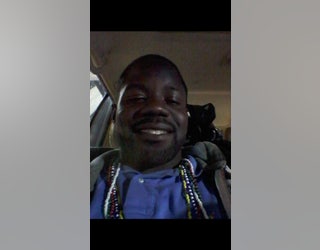
Jeffery Williams, 34, a Black man from Atlanta, was killed late on June 30, 2014, in northwest Atlanta in a burst of gunfire that left a grim and haunting scene behind. Police were called to the area of St. James Drive and Lookout Avenue around 11:40 p.m., where they found Williams dead inside a Honda that had come to rest against a utility pole. Reports from the scene described multiple bullet holes through the windshield, suggesting the shooting happened with sudden violence and little chance for escape. In the darkness, the car sat like a final marker of what had just unfolded, with Williams still behind the wheel when officers arrived.
In the immediate aftermath, investigators worked to piece together what had happened on that stretch of road, but the public details remained sparse. Authorities identified Williams through the Fulton County Medical Examiner’s Office, and news coverage at the time focused on the stark facts: a man found shot to death in his car, a neighborhood shaken, and detectives trying to determine who had opened fire and why. The killing drew added attention because it happened in an area where another homicide had taken place not long before, raising questions about whether there could be any connection, though police said then that it was too early to tell.
What makes Williams’s death especially painful to read about is how quickly his life seems to have been reduced in public record to fragments of a final night: the time of the 911 call, the intersection, the shattered glass, the bullet-riddled windshield, the car against the pole. Beyond that, the case appears to have slipped into the long and terrible quiet that follows so many unsolved killings. His obituary placed his death on June 30, 2014, and marked the days that followed with funeral arrangements and mourning, a reminder that while investigators searched for answers, his family was already living with the permanence of the loss.
Based on the publicly available reporting that can be found online, no suspect was publicly identified in connection with Williams’s killing, and no arrest has been publicly documented in the case. The motive also does not appear to have been publicly established. That leaves his death, at least in the public record, as a case defined less by resolution than by absence: no named shooter, no announced charges, no public courtroom reckoning, only the image of a summer night in Atlanta ending in gunfire and a family left without answers.