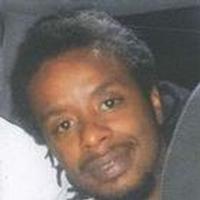
Michael James Holmes, 33, a Black man, was killed in Savannah on December 9, 2015, after what began as an ordinary morning of moving out of an apartment turned into a burst of gunfire on Skidaway Road. According to police and later court findings, Holmes was outside near the apartment buildings with his cousin, loading belongings into a vehicle, when Gregory Adrian Rhynes came around the side of a neighboring building and confronted him. The encounter turned violent almost instantly. Holmes was shot multiple times in the parking-lot area near the Kingstown Apartments on the 1900 block of Skidaway Road and was taken to Memorial University Medical Center, where he died from his wounds.
In the first hours after the shooting, investigators described the killing as the result of an altercation between Holmes and another man. The scene itself quickly gave detectives a trail to follow. Authorities said they recovered. 40-caliber shell casings, along with a cell phone and a digital scale in the area from which the shooter emerged. The phone became an important lead because investigators were able to connect it to Rhynes and to calls placed to his mother. Holmes's cousin, who had been there helping him move, later identified Rhynes as the shooter from a photographic lineup, giving police a witness account to match the physical evidence.
An arrest came within days. Savannah-Chatham Metropolitan Police announced that Gregory Rhynes, then 24, had been arrested after questioning and charged with murder in Holmes's death. At that stage, police had not publicly laid out a motive, and the case was still framed as a shooting that grew out of a direct confrontation. But the investigation did not stop with the arrest. During a later search of Rhynes's residence, law enforcement found sneakers that testing showed carried Holmes's blood, while Rhynes's DNA was found inside the shoes. That evidence, combined with the eyewitness identification and the phone evidence, became central to the prosecution's case.
The case moved beyond the arrest and into a full murder prosecution. In March 2016, Rhynes was indicted on charges including malice murder and felony murder predicated on aggravated assault. He went to trial later that year, and a jury found him guilty. The court sentenced him to life in prison for malice murder, while the felony-murder count was vacated by operation of law. Rhynes later challenged the conviction, arguing that statements he made to police should have been suppressed because of how he was questioned. In 2019, the Supreme Court of Georgia affirmed the conviction, leaving the life sentence in place.
So the case did not remain an unsolved Savannah homicide. It advanced from a daytime shooting outside an apartment building, to a named suspect and murder arrest, to indictment, trial, conviction, and a life sentence that survived appeal. No additional suspects appear to have been publicly identified in the reporting and court material tied to Holmes's killing, and the official record that followed centered on Rhynes as the lone defendant held responsible for Michael Holmes's death.