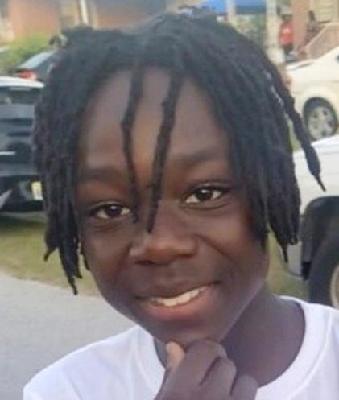
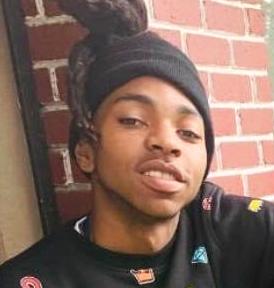
Christian George Wright Jr., 20, a Black man, spent the evening of September 27, 2023 in North Charleston, South Carolina, at Zip’s Car Wash on Rivers Avenue—an ordinary place, bright lights on wet pavement, the air sharp with the smell of soap and exhaust. Then gunfire shattered the routine. Officers were dispatched at about 7:48 p.m. to a report of shots fired and someone down, and they found Wright on the ground in the car wash area, wounded and bleeding.
Police tried to keep him alive long enough for help to arrive, applying emergency care before medics rushed him away, but the injury proved fatal.
In the hours that followed, the scene hardened into evidence: the taped perimeter, the questions shouted over radios, the wash bays suddenly still. Investigators treated the shooting as a homicide from the start, tracking what happened in the minutes before Wright fell and who had been with him. At the time, authorities had not publicly released his identity, even as word of the killing spread through the community, and the details that were shared painted only the stark outline—an evening call for help, a victim found at the car wash, and a death after transport.
By the next morning, police said they had their suspect. Jeremy Diquan Keyes, 27, of North Charleston, was arrested and charged with murder and possession of a weapon during a violent crime. Reporting tied to jail records stated he was booked into the Sheriff Al Cannon Detention Center at 1:55 a.m. on September 28, 2023, and later summaries of those jail records described him as being held without bond. Court indexing for the weapons charge associated with the case has been reflected as pending in General Sessions.
As Wright’s loved ones moved from shock to mourning, arrangements emerged in public notices: he was remembered as being from the Ladson area, with services planned in early October 2023, marking the shift from crime-scene urgency to the quieter rituals that follow a sudden loss.