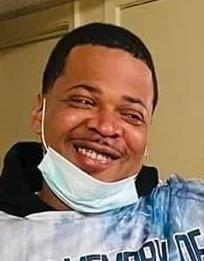
On Monday, March 20, 2023, 32-year-old Keldrick Denzal Duncan, a man from Greenwood, Mississippi, was spending the evening outside with several other people near the intersection of Avenue H and Short streets when gunfire shattered the ordinary rhythm of the neighborhood. Police were called to the scene at about 9:15 p.m. for a shooting that had left one person with what were described as potentially fatal injuries.
The victim was Duncan, and despite efforts to save him after he was taken for medical treatment, he died later that night in Greenwood.
In the days that followed, his family prepared to lay him to rest. An obituary from the local newspaper noted that he lived in Greenwood and worked for Douglas Express, a job that tied him into the daily flow of commerce and routine in the Delta. Funeral services were scheduled at Providence Missionary Baptist Church, with Pastor Kenneth Dale Duncan Sr. officiating, and visitation arranged at Century Funeral Home so that friends, co-workers, and relatives could pay their respects. He was to be buried at Hudson Park Cemetery, closing a life that had been rooted in the same community where it was abruptly cut short.
Online memorials filled in the human details that formal notices only hinted at. On a national gun-violence remembrance site, relatives and friends lit candles in his name and described a man who was “always smiling,” someone who loved his family, enjoyed music, and was known as a protector. They wrote that he had four children, emphasizing the hole his absence left in their lives, and remembered him by a nickname, “Donk,” that spoke to long years of familiarity and affection. One comment noted that he was also the brother of Kentrez Duncan, who had been killed by gunfire in 2019, meaning his death came to a family already marked by the trauma of losing a son to violence.
As investigators worked the scene and interviewed witnesses, the case quickly drew focused attention from local law enforcement. Within two days, the city’s police chief told reporters that officers had identified a suspect in the shooting that claimed Duncan’s life. The chief said the investigation was still active and offered no name or detailed description, but indicated that detectives felt they were nearing a resolution, describing the effort as one they were “preparing to wrap up.” Publicly available accounts do not show what happened after that point: there is no widely circulated follow-up reporting that clearly documents an arrest, the filing of specific charges, or the outcome of any prosecution connected to the killing. The picture that emerges from the record is of a neighborhood corner turned crime scene, a family gathering at church and cemetery to mourn, and an investigation that moved far enough to identify a suspect but, at least in the sources that remain accessible, left the ultimate fate of that suspect and the case unresolved in the public eye.