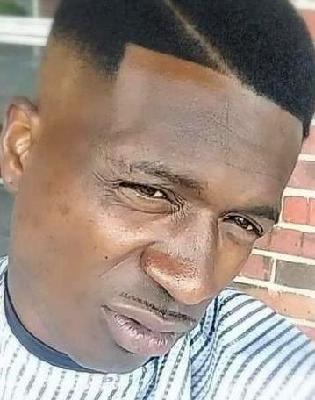
Online records point to a single man: Raphael Warner—whose name also appears in local funeral notices as Raphael Cortez Warren—a 29-year-old Black man from the small Mississippi Delta city of Itta Bena, who died on Thursday, September 14, 2023, after being shot and killed in his hometown. His death is recorded in a national gun-violence memorial database, which lists the date and place of the shooting and notes simply that he was “lost to gun violence” in Itta Bena that day, with little
else said about the final moments of his life.
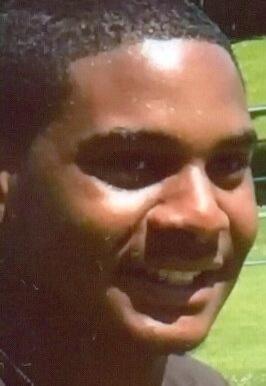
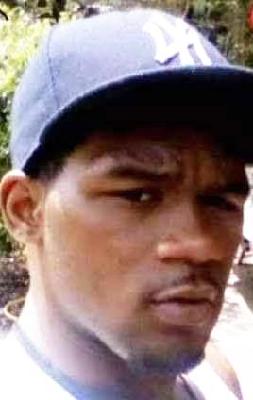
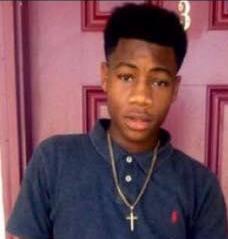
The fragments of his story that survive online sketch the outline of a young local man rooted in the Delta. A memorial page created in his name shows a contributed photograph and an invitation for friends and family to light digital candles in his memory; by 2025, dozens had done so, and one short comment reads only, “We love you,” a stark, unadorned expression of loss. The same page lists “Lil Ralph” as his nickname and describes his personality as “outgoing,” hinting at someone who was sociable and known in his community. It also notes Leflore County High School among the schools he attended, tying him to the local public-school system that serves Itta Bena and the surrounding area.
Around him, life in Itta Bena went on in the tight confines of a Delta town that spans barely a mile and a half and holds fewer than two thousand residents. Mississippi Valley State University lies just beyond the city limits, and Leflore County High School sits within the same small school district, so it is likely that Raphael’s daily world—school, family, friends—rarely stretched far from the town’s handful of streets, churches, and stores. His death, added to a list of other fatal shootings in and around Itta Bena in recent years, appears in gun-violence records as one more entry among many, but for those who knew him, the online candles and brief messages suggest a more intimate grief that statistics cannot capture.
Local newspaper obituaries preserve the formal rituals that followed. They give his full name as Raphael Cortez Warren and announce a funeral service set for 11 a.m. on a Saturday later that month, with visitation the preceding Friday afternoon at Century Funeral Home in nearby Greenwood. Pastor Annie Dixon is listed as the officiant, and burial was planned in Pitts Memorial Gardens in Itta Bena, placing his grave among those of other Delta families. Though the obituary does not describe the shooting itself, its careful notation of times, places, and the names of those leading the service marks the way his community gathered to mourn him in person, even as the circumstances of his death were being distilled elsewhere into short, clinical summaries.
Publicly accessible online material offers very little about how the investigation unfolded. The gun-violence memorial entry points to a brief local news story about an Itta Bena man killed on a Thursday night and to a listing in a national gun-violence database, but the contents of those external records are not visible in detail, and they add no names of alleged assailants, no description of a dispute, and no account of an arrest. In the obituary and memorial page alike, there is no mention of suspects, no reference to charges filed, and no hint of a later trial or conviction. From what can be seen online, Raphael’s killing is documented mainly as a date, a place, and a cause—gunfire that cut short a young man’s life in a small Mississippi town—while the questions of who pulled the trigger and whether anyone has been held responsible remain unanswered in the public record.