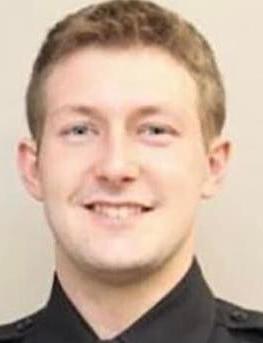
Adam Loren Finseth, 40, a White male firefighter-paramedic with the City of Burnsville, was called out before dawn on February 18, 2024, when a frantic report brought police and fire resources to a home on Burnsville’s south side. The first hint of trouble came through a 911 call that began as a plea for help and ended abruptly, leaving dispatchers trying and failing to reconnect while squads converged on the address.

When officers arrived, the scene did not resolve the way most calls do. Inside the house were several children, and what should have been a routine effort to stabilize a domestic crisis hardened into a long standoff. Police made contact, tried to de-escalate, and ultimately brought in additional resources as the situation dragged on for hours. Finseth responded in the role he had trained for—embedded to provide urgent medical support alongside tactical operations—ready to treat injuries the instant the worst happened. 
The worst arrived without warning. The man in the home, later identified by authorities as Shannon Cortez Gooden, opened fire during the standoff, striking multiple first responders. As gunfire erupted and officers scrambled for cover and returned fire, Finseth moved into the danger to render aid. In the chaos of those moments, he was shot and fatally wounded. Two Burnsville police officers—Paul Elmstrand and Matthew Ruge—were also killed, and another officer was wounded but survived. The standoff ended only after Gooden died at the scene from a self-inflicted gunshot wound. 
Because the shooter died at the scene, there was no criminal case against him to carry forward in court. The investigation, however, widened to how he obtained his weapons. Federal prosecutors charged Ashley Anne Dyrdahl—described as Gooden’s girlfriend—with straw purchasing firearms for him even though he was legally barred from possessing guns as a convicted felon. Court filings alleged she bought multiple firearms over a period of months and falsely represented that the purchases were for herself, while two of those guns were later used in the February 18 killings. 
Dyrdahl’s case did result in an arrest, prosecution, and conviction. She pleaded guilty in federal court to straw-purchasing-related charges, and she was later sentenced to a prison term of nearly four years, followed by supervised release, for her role in acquiring the guns that ended up in Gooden’s hands. No other suspects have been publicly identified as having taken part in the shootings themselves, and the deaths of Finseth and the two officers remain tied directly to Gooden’s attack during that standoff.