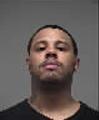
On the morning of November 29, 2023, James Brown Jr., a 20-year-old White male from Louisville, was inside a mobile home along the 6300 block of Sydney Renee Way in the city’s Valley Station area when the ordinary quiet of the neighborhood was broken by gunfire. The homes along that short street sit just off Dixie Highway on the southwestern edge of Louisville, a place where day-to-day life tends to revolve around work, family, and the steady rhythm of traffic passing by on the main road.
On that Wednesday, however, flashing lights and crime-scene tape replaced the usual calm as word spread that something terrible had happened nearby.
Around 10:45 a.m., officers from the Louisville Metro Police Department’s Third Division were dispatched to a report of a shooting at the address. When they arrived, they found James suffering from a gunshot wound inside the residence. Emergency medical personnel were called to the scene, but despite their efforts, he was pronounced dead there in the mobile home. In the days that followed, the Jefferson County Coroner’s Office formally identified him to the public, confirming both his name and his age, and news reports noted that his life had been cut short in his own community on an otherwise routine weekday morning.
Investigators quickly treated the death as a homicide case. Louisville Metro Police announced that all of the people believed to have been involved in the incident had been located, and that their Homicide Unit had taken over the investigation. Reporting at the time noted that a suspected shooter had been questioned by detectives, suggesting that investigators had a clear idea of who fired the fatal shot even if they were not yet ready to announce any formal charges. Officials stated that, once the police investigation was complete, the case would be turned over to the Commonwealth Attorney’s Office so prosecutors could review the evidence and decide what, if any, charges should move forward.
While detectives worked through the legal process, the loss rippled outward among family, friends, and acquaintances. Online memorial pages dedicated to James began to fill with contributed photos that showed a thin, soft-faced young person in casual clothes, leaning against car windows or looking into the camera with a slight smile. People who knew him left short notes and tributes, lit virtual candles in his memory, and shared pieces of who he had been in life rather than how he died. Some described him with affectionate nicknames and emphasized his sense of humor and larger-than-life personality, the kind of details that do not appear in police reports but define how loved ones remember someone who is gone.
Public accounts of the case have remained sparse beyond those early reports. Authorities have not released a detailed narrative of what led up to the shooting inside the mobile home, and news coverage does not document a publicly named suspect, arrest, or subsequent trial connected to James’s death. Instead, the record shows that investigators questioned a suspected shooter, accounted for everyone believed to be involved, and prepared to hand their findings to the Commonwealth Attorney’s Office for review, leaving the final decision about charges in the hands of prosecutors. For those who cared about James, the lingering silence about what came next has meant that the story of his death remains suspended between the stark facts of a single violent morning and the unresolved questions of accountability and justice that followed.