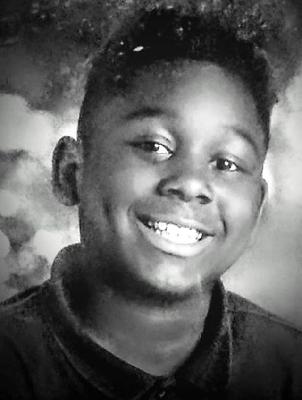
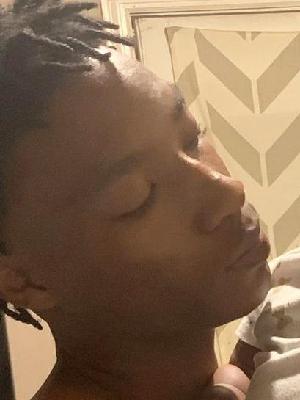
Quentin Scott Jr., 21, a Black male, was killed just after midnight on July 7, 2024, when gunfire tore through a parking garage in the 1000 block of Broadway near Front Avenue in downtown Columbus, Georgia. Police were called to the scene in the early morning hours, and when officers and emergency crews arrived, they found three people suffering from gunshot wounds.
Quentin had been shot multiple times and was pronounced dead at the scene at 12:57 a.m., while the other two victims were taken to Piedmont Columbus Regional in stable condition. The violence came suddenly, in a place meant for people heading into or out of a downtown night, and by sunrise the shooting had already become one of the city’s grim homicide cases of that summer.
In the first rush of the investigation, Columbus police said 21-year-old Brandon Day was wanted in connection with the shooting, and reports later said he was arrested within hours and charged with murder. Early court reporting added a clearer shape to what investigators believed had happened before the shots were fired: according to police testimony summarized in later coverage, a verbal altercation broke out in the breezeway of the garage before the gunfire erupted. That account placed Quentin’s death inside a fast-moving confrontation that escalated from words to bullets, leaving one young man dead and two others wounded in the same burst of violence.
The case did not stop with that first arrest. On July 26, 2024, authorities announced the arrest of a second suspect, 19-year-old Markale Mickles. Reporting on that arrest said Mickles was taken into custody by the Columbus Police Department’s Fugitive Unit with help from the Muscogee County Sheriff’s Office, the U.S. Marshals Task Force, and other investigators. He was charged with murder, two counts of aggravated assault, and possession of a firearm during the commission of a crime. Coverage of the case said more arrests were expected, underscoring the belief that Quentin’s killing was not the act of a lone person but part of a wider chain of involvement inside that garage.
What remains in the public record gives the story a painful, unfinished feeling. Quentin’s name appears in local and regional reporting as the young man whose life ended on that July night, while the public updates that followed focused mostly on arrests, charges, and preliminary court appearances rather than any final courtroom resolution. The sources reviewed for this synopsis show two suspects publicly identified in connection with the shooting — Brandon Day and Markale Mickles — but they do not show a later public report of a trial verdict or conviction in the materials located. What does emerge clearly is the outline of the tragedy: a downtown confrontation, a hail of gunfire, a 21-year-old man dead at the scene, and a homicide investigation that quickly widened as police worked to identify everyone they believed was responsible.