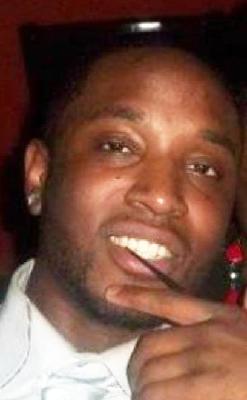
In the late hours of August 22, 2014, a sense of normalcy filled the air at a bar in Waterloo, Iowa, where 35-year-old Celio Antonio Posada was spending time with his fiancée. The couple had been seated for about twenty-five minutes when another man, Rodolfo Gonzalez Pena, entered and sat near them. Though strangers, the three engaged in conversation, unaware of the tragic turn the night would soon take. The male victim was from Minneapolis and found himself in a fatal encounter in the early morning hours of August 23, 2014.
As the night progressed, an altercation unfolded between Posada and Gonzalez. The disagreement escalated and moved outside into the parking lot of the El Senior Tequila nightclub. It was there, in the dimly lit surroundings, that the verbal dispute turned deadly. Gonzalez produced a handgun and fired two shots at Posada. One bullet struck him in the chest from a distance, and a second, more calculated shot, was fired at close range to his head. The violent encounter left Posada with fatal injuries.
Law enforcement was quick to respond. A Black Hawk County sheriff's deputy, who was in the vicinity, noticed a car driving without its headlights on just a block away from the nightclub. A traffic stop was initiated, and the driver was identified as Rodolfo Gonzalez Pena. During the stop, officers discovered a handgun in his vehicle, leading to his initial arrest for carrying weapons and driving with a suspended license. As the investigation into the shooting at the nightclub progressed, evidence mounted against Gonzalez, and he was subsequently charged with the first-degree murder of Celio Posada.
The legal proceedings that followed painted a clearer picture of the events that transpired. During his trial, Gonzalez claimed that he had acted in self-defense, alleging that Posada had tried to stab him while claiming affiliation with a gang. However, the evidence presented by the prosecution told a different story. The jury weighed the testimony, including the fact that Posada was shot twice, with the final shot being at close range after he was already wounded. Ultimately, the jury rejected the self-defense claim and found Rodolfo Gonzalez Pena guilty of first-degree murder under the felony murder rule. His subsequent appeals of the conviction were denied, solidifying the legal conclusion to a night that began with casual conversation and ended in a senseless loss of life.