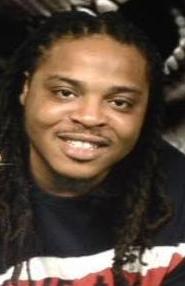
On a summer evening in Cedar Rapids, Iowa, the life of 26-year-old Andrew Meeks, a Black / African American male, was cut short in a fatal encounter. On July 2, 2017, in the parking lot of a local Walmart, a dispute over a drug deal escalated into deadly violence. Meeks and another man were in a vehicle when shots were fired. The car, in the chaotic moments that followed, crashed into a guardrail.
When authorities arrived at the scene, they found Meeks with a fatal gunshot wound and the other man, aged 30, injured but alive. The incident shattered the evening's calm and launched a homicide investigation.
The investigation into Andrew Meeks' death led authorities to a suspect, Quarzone Martin. In late September of that year, Martin was charged with first-degree murder for his role in the shooting. The evidence presented during his trial painted a picture of a drug transaction gone wrong, resulting in the tragic death of Meeks. In December 2017, a Linn County jury found Quarzone Martin guilty, not of first-degree murder, but of the lesser charge of second-degree murder, along with willful injury causing serious injury and going armed with intent. For these crimes, Martin was initially sentenced to a 50-year prison term, seemingly bringing a close to the case.
However, the legal saga was far from over. In a significant turn of events, the Iowa Court of Appeals overturned Martin's second-degree murder conviction. This decision reopened the case and set the stage for a new trial. Rather than proceeding with a second trial, the prosecution and defense reached an agreement. Quarzone Martin pleaded guilty to the lesser charge of voluntary manslaughter. In December 2021, a judge sentenced him to 25 years in prison, bringing a final, albeit altered, conclusion to the long and winding legal process that followed the death of Andrew Meeks.