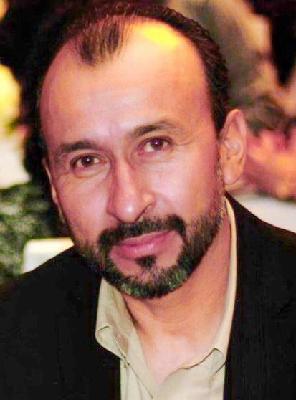
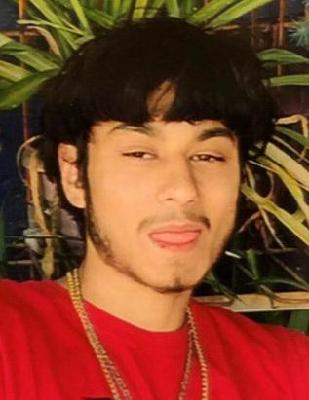
Uriel Galvez-Galvez was a 30-year-old Hispanic man making a life for himself in Tucson, Arizona, balancing work and family while raising two children, a 13-year-old daughter and a 7-year-old son who shared his name. Loved ones later remembered him as kind, always happy, and the sort of person people called “the best friend,” a man who worked steadily and whose days were rooted in ordinary responsibilities and quiet routines.
On the afternoon of August 18, 2016, that routine was shattered on Tucson’s west side. Shortly before 5 p.m., police were called to the 1700 block of West 36th Street after reports of gunfire and a man gravely wounded. The incident unfolded as a double shooting connected to a Dodge Ram truck: one of the survivors later told officers that he and Galvez-Galvez had been in the truck together when they picked up another man in the area. What began as a simple ride with an extra passenger turned into a deadly encounter when that passenger suddenly opened fire on both men inside the vehicle.
In the chaos that followed, the surviving victim managed to escape from the truck and hide, wounded but alive, as the gunman drove away with Galvez-Galvez still inside. When officers and medical personnel converged on the scene after the 4:45 p.m. emergency call, they pieced together what they could from the shaken survivor’s account and the physical evidence left behind. A short time later, Galvez-Galvez was found dead, his life cut short by gunshot wounds that police immediately classified as a homicide. The same evening, officers were also investigating another shooting a few miles away on West Calle Guadalajara, but it was the killing on West 36th Street that left detectives with a fleeing suspect and a grieving family.
Detectives released a detailed description of the man they believed was responsible, based on the account given by the surviving victim: a man in his late twenties, about 5 feet 11 inches tall and weighing between 170 and 180 pounds, with multiple tattoos on his arms and wearing a white shirt and tan pants when he was last seen. Patrol officers canvassed the neighborhood, crime scene technicians documented the shattered calm of the residential street, and the department urged anyone with information to call 911 or the anonymous tip line at 88-CRIME. At the same time, friends and family mourned publicly, lighting virtual candles in Galvez-Galvez’s memory and leaving messages about how much he was loved and how deeply he was missed.
Public reporting from that period describes an active search for the shooter and portrays the case as an open homicide investigation with the gunman on the run, but it does not document any subsequent arrest, charges, or trial connected to the killing of Uriel Galvez-Galvez. In the records that remain easily accessible, his story ends with a description of a suspect who vanished with the truck and the promise from authorities that they were still looking for answers, while his family and community were left to carry the weight of a life lost too soon.