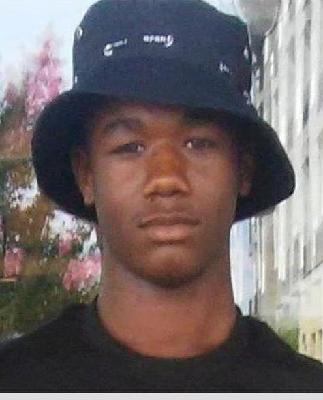
Tracy Green, a 46-year-old Black male from Wilmington, Delaware, was shot on May 1, 2014, in the city he called home. His name would be added to the quiet roll of people “lost to gun violence,” a simple line that belies the rupture felt by family, friends, and a neighborhood accustomed to grief but never numb to it.
Witnesses told reporters the trouble began with a street dice game that soured—an argument that hardened into gunfire near the familiar crossroads of North Market and
the 24th Street area, where late-night voices and foot traffic mingle with rowhouses and corner stores. In the chaos, the 46-year-old was struck; by the time lights and sirens took over the block, the damage was done. The incident was recorded publicly as a Wilmington shooting death tied to that dice-game dispute, a terse, factual accounting that can only hint at the terror of those moments.
In the days that followed, loved ones prepared a funeral and wrote remembrances that sketched the outlines of a life—father, son, brother—while detectives worked the case. Public records of the killing identify the date, place, and manner; the obituary anchors the personal reality of the loss; and the memorial page preserves his name among other Wilmington victims from that year. Together they describe a life ended suddenly, a community gathering to mourn, and an investigation that, in the contemporaneous reporting available to the public, did not announce an immediate suspect. No subsequent official release readily accessible in public archives details an arrest in connection with his shooting.
What remains is the shape of a story told through short dispatches and memorial notices: a dispute over a dice game, a burst of violence on city streets, and a 46-year-old man whose absence is felt most by those who knew him best. The stark phrasing of the incident summaries cannot convey the texture of that loss, but the record is clear enough to trace its outline—and to mark the unanswered questions that linger around who pulled the trigger and why, questions that, in public reporting to date, have not been resolved by any announced arrests.