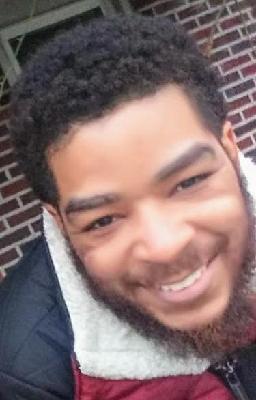
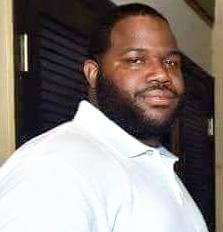
William Robert Teasley III, a 22-year-old Black male from Wilmington, Delaware, was killed during the early morning hours of March 14, 2018. Known to relatives and friends as “Sam” and within Wilmington's music community as the rapper Sam Vito, Teasley was shot outside his residence in the 100 block of North Broom Street. The violence unfolded on the front steps of the home, turning a familiar place where he should have been safe into the scene of his death.
The shooting occurred
shortly after 2 a.m. Teasley's younger sister reportedly heard the gunfire from inside the residence and rushed outside, where she discovered her brother badly wounded on the doorstep. Wilmington police officers responding to the scene found that he had suffered multiple gunshot wounds to his torso. Emergency personnel attempted to save him before he was transported to Wilmington Hospital, but his injuries proved fatal. He was pronounced dead at approximately 2:35 that morning.
Teasley had been born in Wilmington on February 28, 1996, to Natacha L. Ricks and William R. Teasley Jr. Beyond the circumstances of his killing, he was remembered as a son, brother, aspiring artist and entrepreneur. Under the name Sam Vito, he was working to establish himself as a rapper and build a future through his music. Messages left after his death described him as kindhearted, funny and deeply missed by those who knew him. His sudden loss struck especially hard because he was killed at his own home, with members of his family close enough to hear the shots but unable to prevent what happened.
In the immediate aftermath, Wilmington police opened a homicide investigation and appealed to the public for information. Available contemporary reporting did not identify anyone who witnessed the entire attack or provide a publicly established motive for the shooting. Authorities did not release a description of the person or people responsible, and no publicly documented evidence indicated whether Teasley had been deliberately followed to the house, confronted on the steps or approached by someone he knew.
The investigation did not result in any publicly announced arrest during the period following the killing. No suspect was officially named, and available public records do not show that anyone was charged, tried or convicted in connection with Teasley's death. The absence of an arrest also means that no motive has been established through court proceedings. Whether the shooting arose from a personal dispute, an earlier encounter or some other circumstance has never been publicly resolved.
Teasley's family and friends gathered later that month to celebrate his life at St. Paul UAME Church in Wilmington, followed by his burial at Silverbrook Cemetery. The funeral marked a formal farewell, but it could not answer the central questions surrounding the gunfire on North Broom Street. Years after the killing, the case remains publicly unresolved, leaving those closest to Teasley without an identified perpetrator, a prosecution or the full explanation of why his life was taken on his own doorstep.