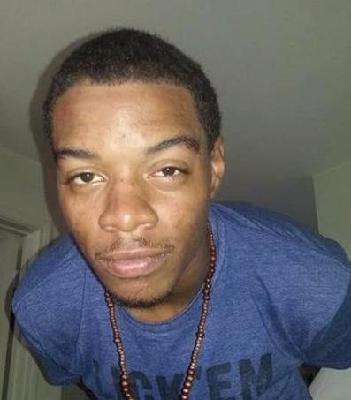
In the winter of 2020, on December 29th, the life of 41-year-old Paul W. Zois, a male mortgage officer, was tragically cut short in his Cranston, Rhode Island home. What began as a heated argument escalated into a fatal encounter, leaving a family shattered and a community in shock. The man responsible for his death was not a stranger, but someone who shared his home: Charles Gangi, the 73-year-old boyfriend of Paul's mother.
That Tuesday afternoon, an emergency call was placed from the
B Street residence where Paul lived with his mother, aunt, and Gangi. The caller reported that someone had been shot. Upon their arrival, Cranston police officers discovered Paul unconscious with gunshot wounds. Despite being rushed to Rhode Island Hospital, his injuries proved fatal, and he was pronounced dead. Gangi was present at the scene when officers arrived and immediately admitted his responsibility for the shooting.
The investigation that followed painted a grim picture of a domestic dispute that spiraled out of control. During the argument, Gangi retrieved a. 38 Special revolver he owned from a nearby room and shot Paul five times in the chest. Fortunately, Paul's mother and aunt, who were also in the house at the time of the incident, were not physically harmed. Gangi was promptly taken into custody, and a search of the residence uncovered two handguns, one of which was believed to be the murder weapon.
Charles Gangi was initially charged with first-degree murder, as well as several firearms-related offenses. He was held without bail. In July of 2021, Gangi pleaded nolo contendere, or no contest, to the lesser charge of second-degree murder. The court sentenced him to 60 years in prison, with 30 of those years to be served at the Adult Correctional Institutions. The remaining 30 years were suspended with probation. The resolution of the case brought a measure of legal closure to a senseless act of violence that stemmed from a simple argument.