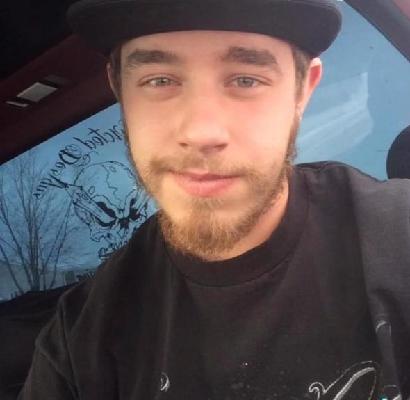
Clinton Cully Farlee, a 20-year-old white man, died on October 4, 2017, after a shooting in Rapid City, South Dakota. Police were called to a home for a report of a man with a gunshot wound, and court records described a single bullet from a pistol striking him in the chest. He was taken for medical help but did not survive, and investigators quickly treated the case as a homicide rather than an accident or random act of violence.
As the news moved through Rapid City, authorities said
the killing was not random, and they began looking for two people they believed were directly tied to what happened. In the days after the shooting, law enforcement publicly identified the pair as Maricelo Garcia and Cierra Walks, both of Rapid City, and asked for help locating them. Investigators also described a vehicle they believed was associated with them—an early-2000s white Oldsmobile Bravada that might still have temporary paper dealer plates—suggesting the suspects were on the move and could be difficult to track.
Court proceedings laid out the state's early theory: Garcia was accused of being the shooter, while Walks was accused of helping him in the aftermath. At their first court appearances, the prosecution sought continued detention with no bond, underscoring how serious the allegations were and the concern that they might flee again if released. As the case pushed forward, the defense also challenged how the arrests were made, arguing they were illegal because the suspects were taken into custody in Indian Country using state warrants—an issue that briefly shifted attention from the shooting itself to the legal fight over jurisdiction and procedure.
The criminal case ultimately turned on pleas and sentencing rather than a full public trial. Garcia, who initially faced a first-degree murder charge, later changed course and pleaded guilty to first-degree manslaughter under an agreement with prosecutors, avoiding the uncertainty of a murder trial while still accepting responsibility for a violent death. He was later sentenced to 45 years in prison for first-degree manslaughter, a term that reflected the court's view that the shooting was grave, deliberate, and life-ending.
Walks' role was addressed separately, focusing on what happened after the trigger was pulled. She pleaded guilty to being an accessory, admitting that she drove Garcia to the Pine Ridge Indian Reservation after the shooting, a decision prosecutors framed as assistance to help him evade capture in the immediate aftermath. A judge sentenced her to three and a half years, marking her as a participant in the escape and concealment rather than the gunman himself, but still holding her criminally accountable for helping the person investigators said killed Farlee get away.